France Custom Tours

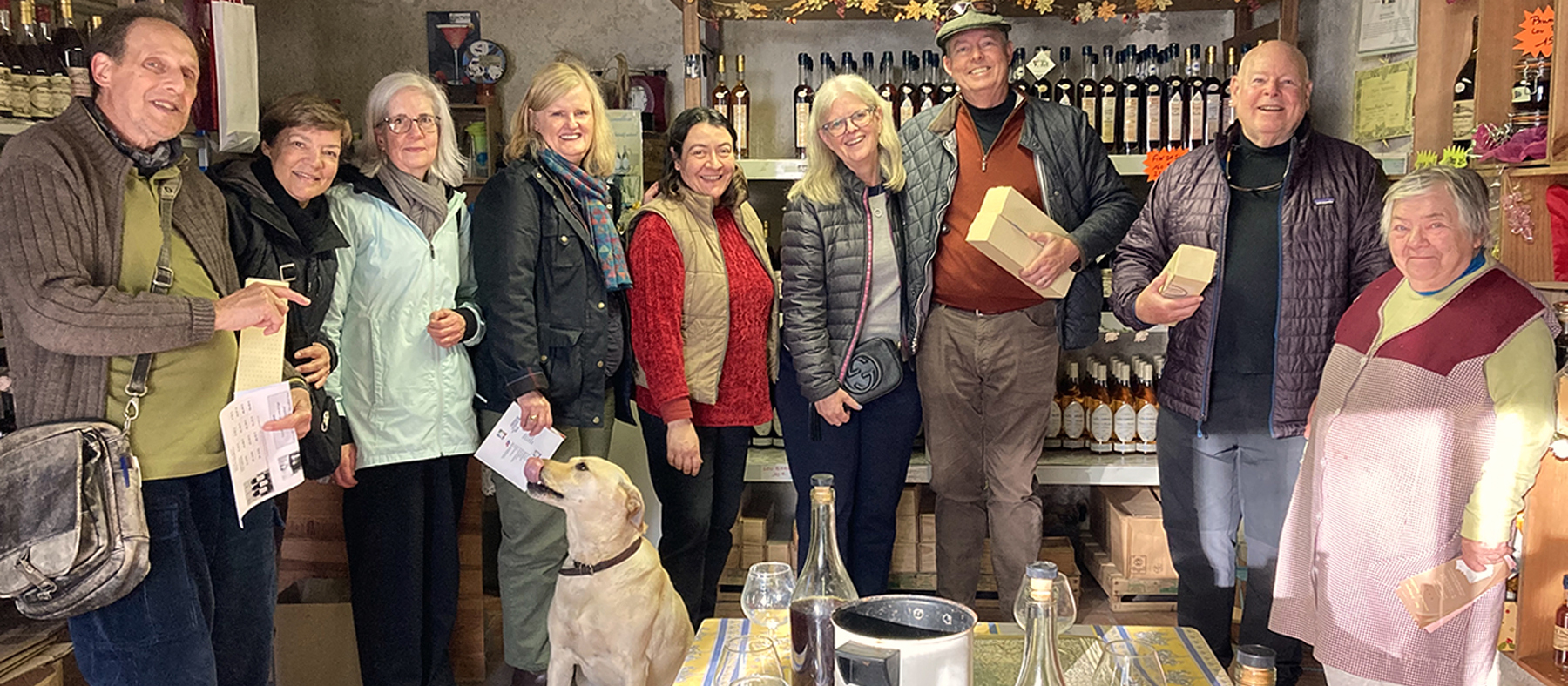
“ We were fortunate enough to get to spend a couple of wonderful days with Sue in the Gers exploring Armagnac cellars, markets, restaurants, and the general beauty of the region. Sue provided excellent communication and flexible plans that allowed us to take a step away from our normal hectic vacation schedules and slow down for a few days. Along the way we experienced great food, drink, and scenery and got to meet countless fascinating people thanks to Sue’s connections.”

Patrick and Natalie Bertsch, Rogers, Arkansas

Custom Adventures

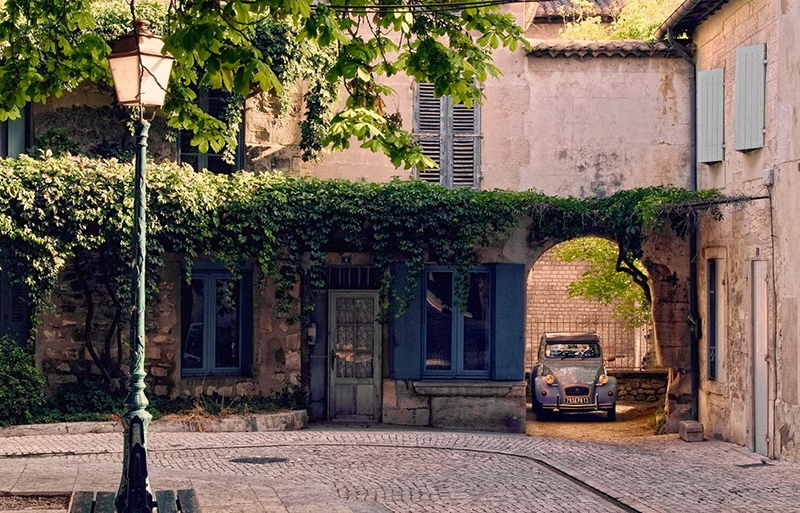
If you’re looking for slow travel, authentic connections, and out of the ordinary adventures in southern France, and you’re looking for a private tour or to create your own itinerary, then my customized guided or self-guided tours are for you. I will recommend routes along which you’ll discover the rich history and cultural heritage of Gascony, the Pays Basque, Occitanie, Provence, the Tarn, Gard & Camargue and the Dordogne, Working together we’ll make your trip an unforgettable experience. 

To check for availability and create a customized tour please EMAIL ME
Choose From
Farmers Markets
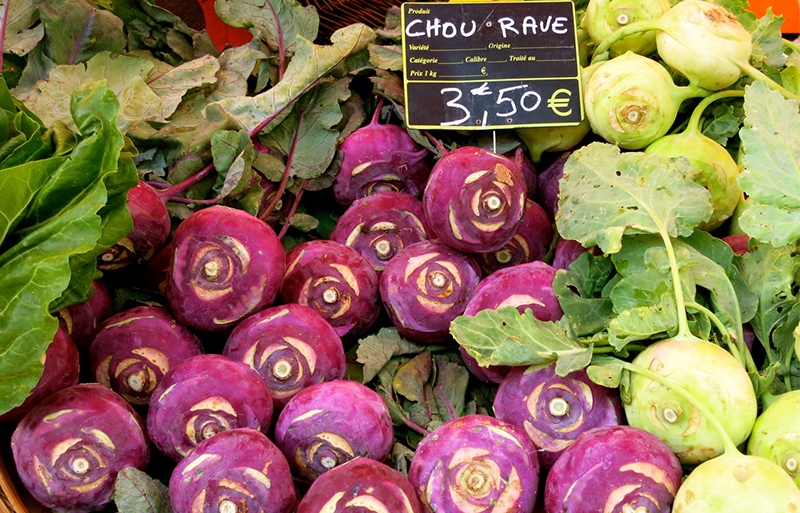
The French passion for food is celebrated in its village markets, where seasonal produce is the mainstay of daily life. Since the love of good food and community is at the heart of French village life, there is no better way to step into the flow of a country day than through the markets where locals gather to shop and share stories. The village market in the countryside is the calendar of France. This thriving, centuries-old tradition continues in every kind of weather, every day of the week in a different village.
Cooking Classes
In her book, My Life in France, Julia Child wrote, “…no one is born a great cook, one learns by doing.” Many cooking classes throughout southern France are taught by local chefs or home cooks who have been cooking and perfection their recipes for generations. These chefs know the region’s ingredients and techniques thoroughly, and they’ll be able to teach you not only the “how” but also the “why” behind each dish. In France food isn’t just eaten, it’s a topic of conversation: the colors, the flavors, the methods, and the taste. There’s no better way to step into a local culture than through its food.
Chateaux
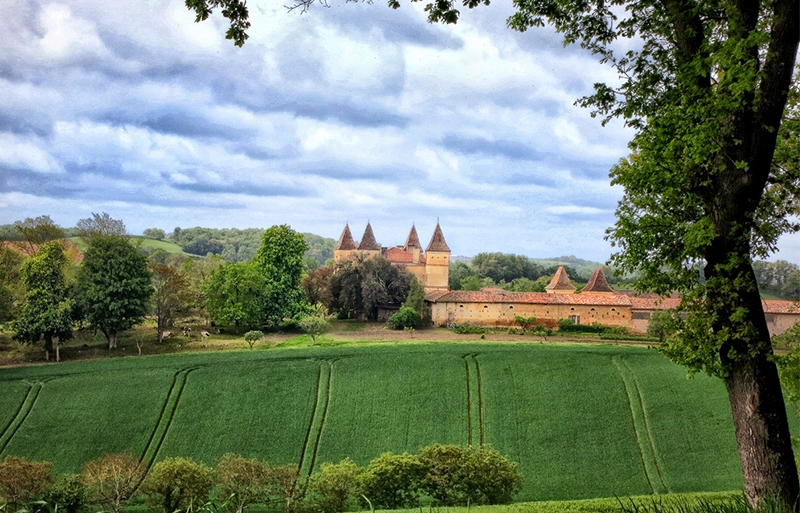
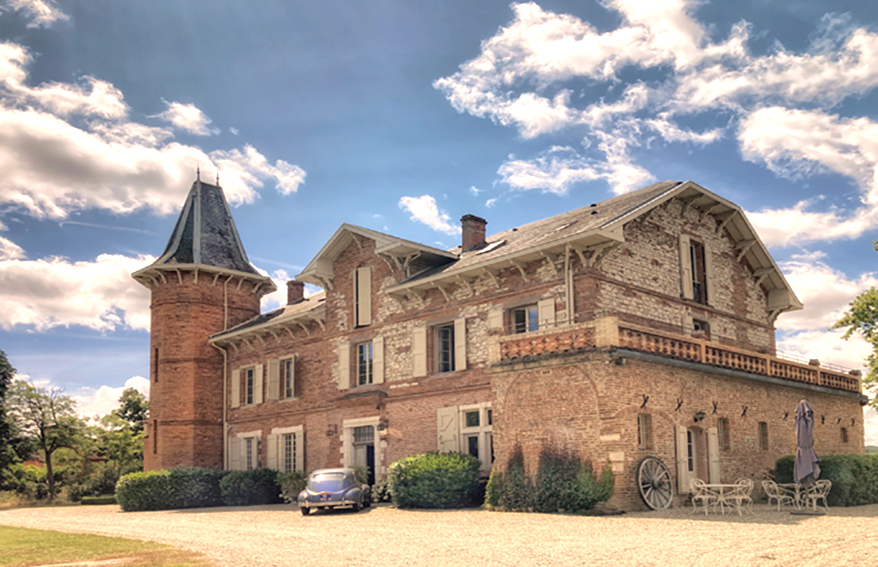
A château in France usually refers to a refers to a grand, historically significant residence often set in the countryside—that once served as the home of noble families, landowners, or aristocrats. Unlike the common association with castles, a French château is not always fortified. Many were never built for military defense at all. Instead, they functioned as stately homes, governing estates, or seasonal retreats, often reflecting their owners’ wealth, taste, and power. The word’s origins lie in the Latin castellum, meaning a fortified place, but its meaning has shifted over the centuries. In France, a château may also be a lavish Renaissance mansions surrounded by gardens or a working vineyard estate in regions like Bordeaux. France has tens of thousands of châteaux.. Many have been lovingly restored, while others sit in ruin.
Gardens
The Jardin Remarquable label, Remarkable Garden, began in 2004 to celebrate France’s magnificent gardens. A Jardin Remarquable must meet certain criteria including an interesting location, unique use of plants and, where applicable, offer historical interest. There are currently 1540 gardens in France that have achieved the criteria: 3 in the Gers, 1 in the Basque Country, 14 in the Dordogne, 5 in the Tarn, and 49 in Provence.
Armagnac Distilleries tours France
Armagnac Distilleries
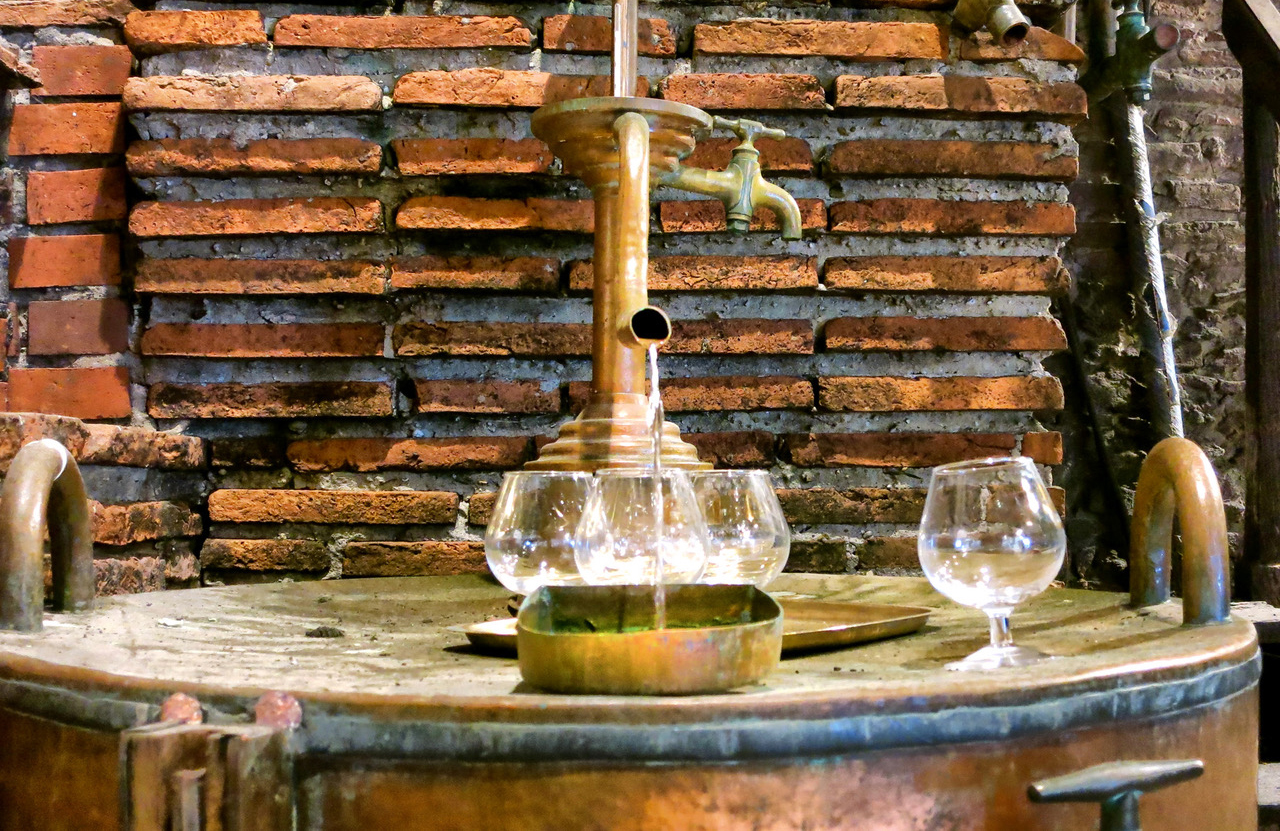
Armagnac is the oldest brandy in France. From late October to late January it’s Armagnac distillation time, a special period that, despite the winter chill, doesn’t encourage staying indoors. On the contrary, producers, villages, and accommodations compete to share these festive days with their visitors. A unique atmosphere fills the Gascon countryside with moments of great conviviality, a stark contrast to the quiet of the season. The last weekend in October the village of Labastide d’Armagnac hosts a fête, and the village of Eauze, capital of the Bas Armagnac region, celebrates the end of November. A Routes de l’Armagnac itinerary is available.
Pottery
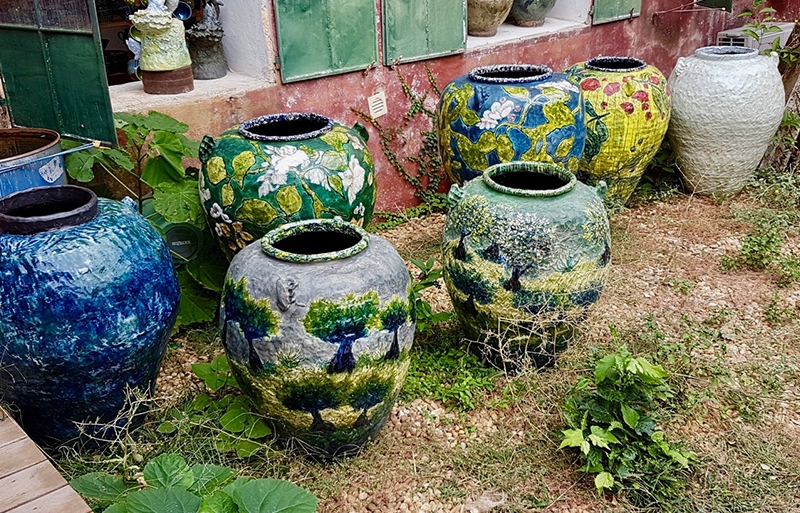
Due to the abundance of clay, argile, many small towns produce their own special earthenware in each region. These pottery centers have existed for centuries and still create pottery in workshops scattered across the French landscape. These pieces are prized for their functional use and decorative ability to transport their owners to the idyllic French countryside. In the south of France, where the history of earthenware is long and cross-cultural, pottery has become an essential component of what is considered French Country style, an expression of a particular way of life.
Medieval Villages
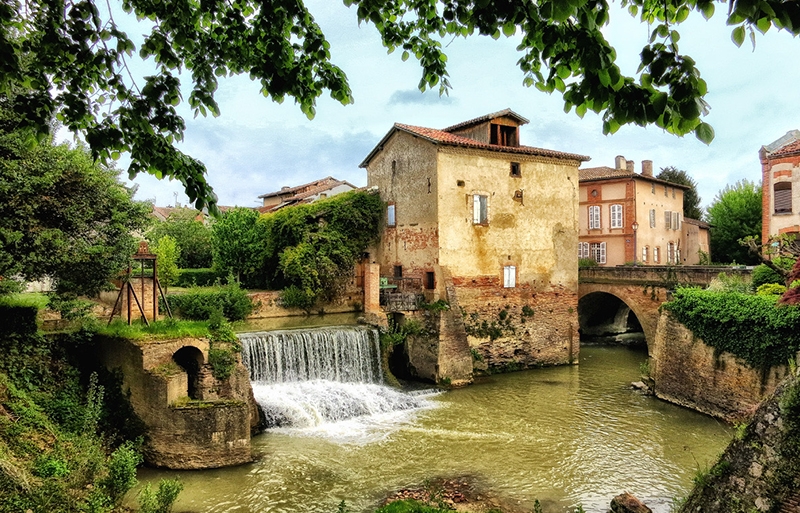
Hidden away in the depths of countryside, the south of France is dotted with medieval villages, particularly in Occitanie and Provence. Their hilltop location is a testament to their rich history. Largely built between the 13th and 15th centuries, they were originally intended to house the rural population inside “urban” centers. Quite a few were bastides, fortified villages to provide security against attack. Typically, they employed a grid system with a central square that doubled as a marketplace, surrounded by arcades. The English word “village” comes from the Roman word for villa, the castle, château, that was often the center of settlement. Many of these medieval villages feel like life hasn’t changed for hundreds of years.
Wineries
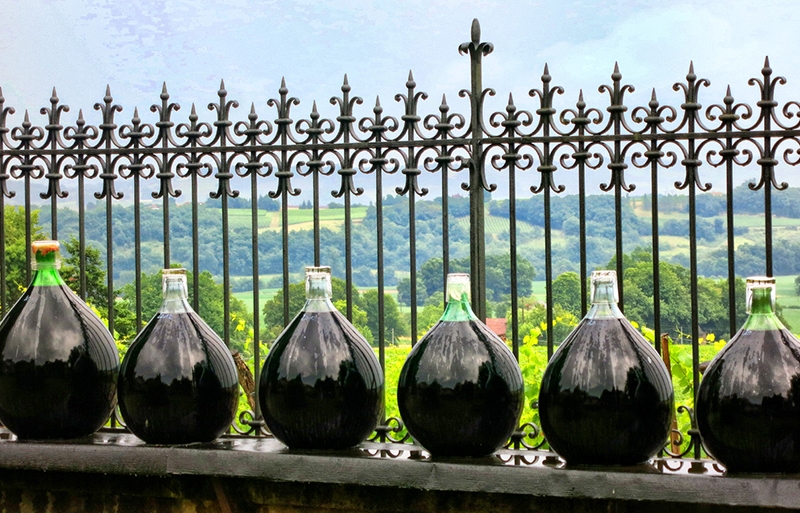
The vineyards of the southern French wine growing regions benefit from a temperate climate and varied soils, ideal for viticulture. Côtes de Gascogne vines cover 50% of the Gers department. Winegrowers throughout the area produce a wide range of wines unique to their terroir: Madiran, Pacherenc du Vic-Bilh, Côtes de Saint-Mont, and Chirolet, among others. The Basque Country, nestled along the western French and Spanish border also produces spectacular wines, such as Irouleguy, Egiategia, and Rioja varieties. The emblematic Gaillac wines are produced in the Tarn department which has the oldest vineyards in France. And the incomparable Châeauneuf du Pape wines use 13 grape varieties, and cover 5 distinct terroirs.
Bleue de Pastel
Since antiquity, Isatis tinctoria, or woad, has been valued for its medicinal properties, but also for its intense blue color. The Egyptians, had already used woad before it was introduced into southern France during the Middle Ages. The growth of Bleu de Pastel’s culture and dye trade took place during the Renaissance between Toulouse, Albi, and Carcassonne, in an area known as the ‘Blue Triangle’. It was Louis IX who introduced this blue into his coat of arms, a color that became the emblem of nobility. Napoléon’s army wore uniforms dyed with Bleu de Pastel. There are 3 excellent classes available in southwest France: one in the village of Lectoure, one in the village of Lautrec and one in the city of Toulouse.
Flea Market Tours France
Flea Markets
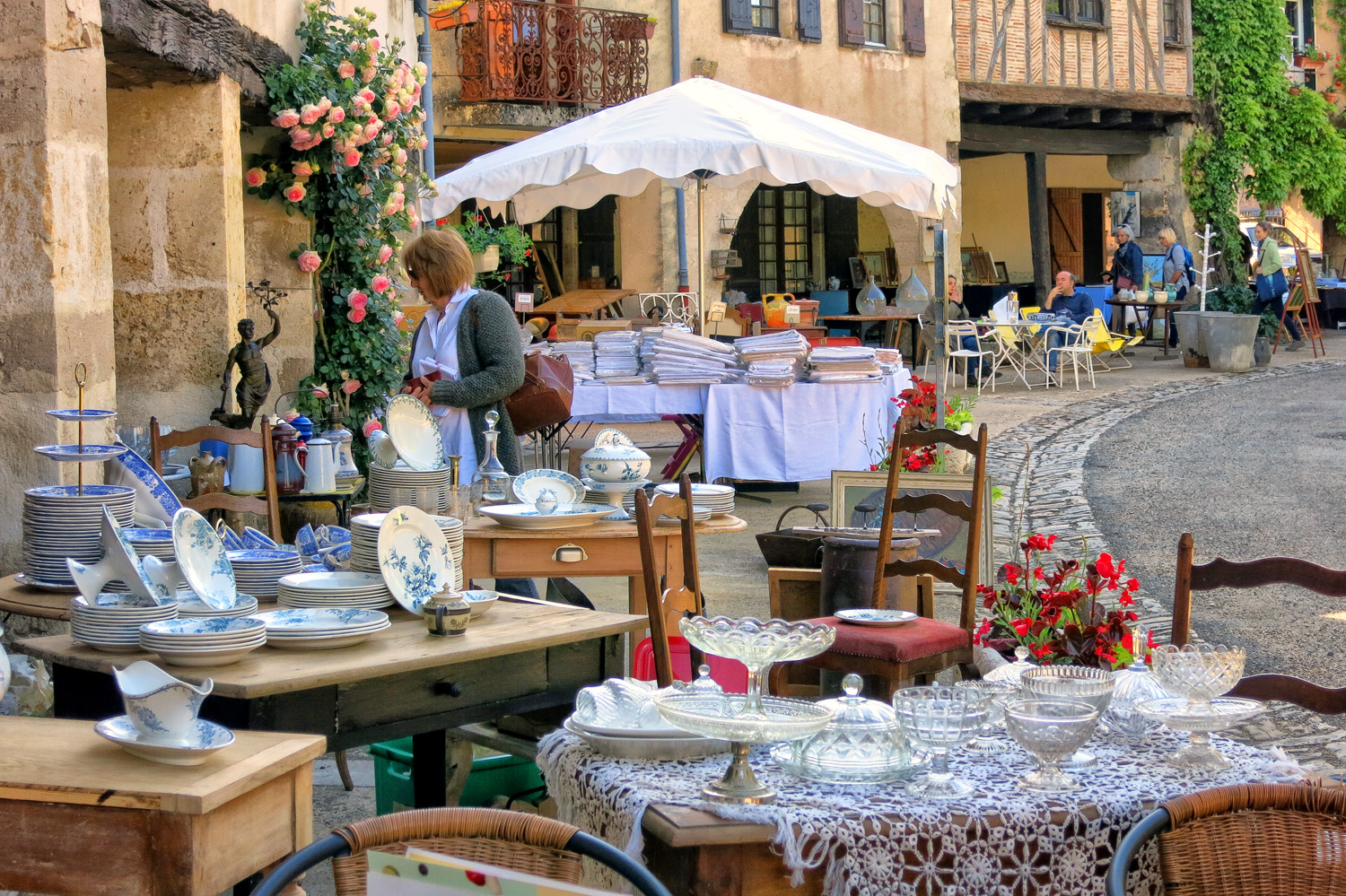
Flea markets, vide-greniers, in France are a social experience. On any given week-end there will be flea markets in different villages throughout each region, typically during the spring, summer and fall months. You’ll find antiques, china, baskets, farm equipment, plants, home-grown produce, vintage and used clothing, old books, lamps, paintings, and furniture. It’s an opportunity to recycle and repurpose goods.
Roman Ruins Tours France
Roman Ruins
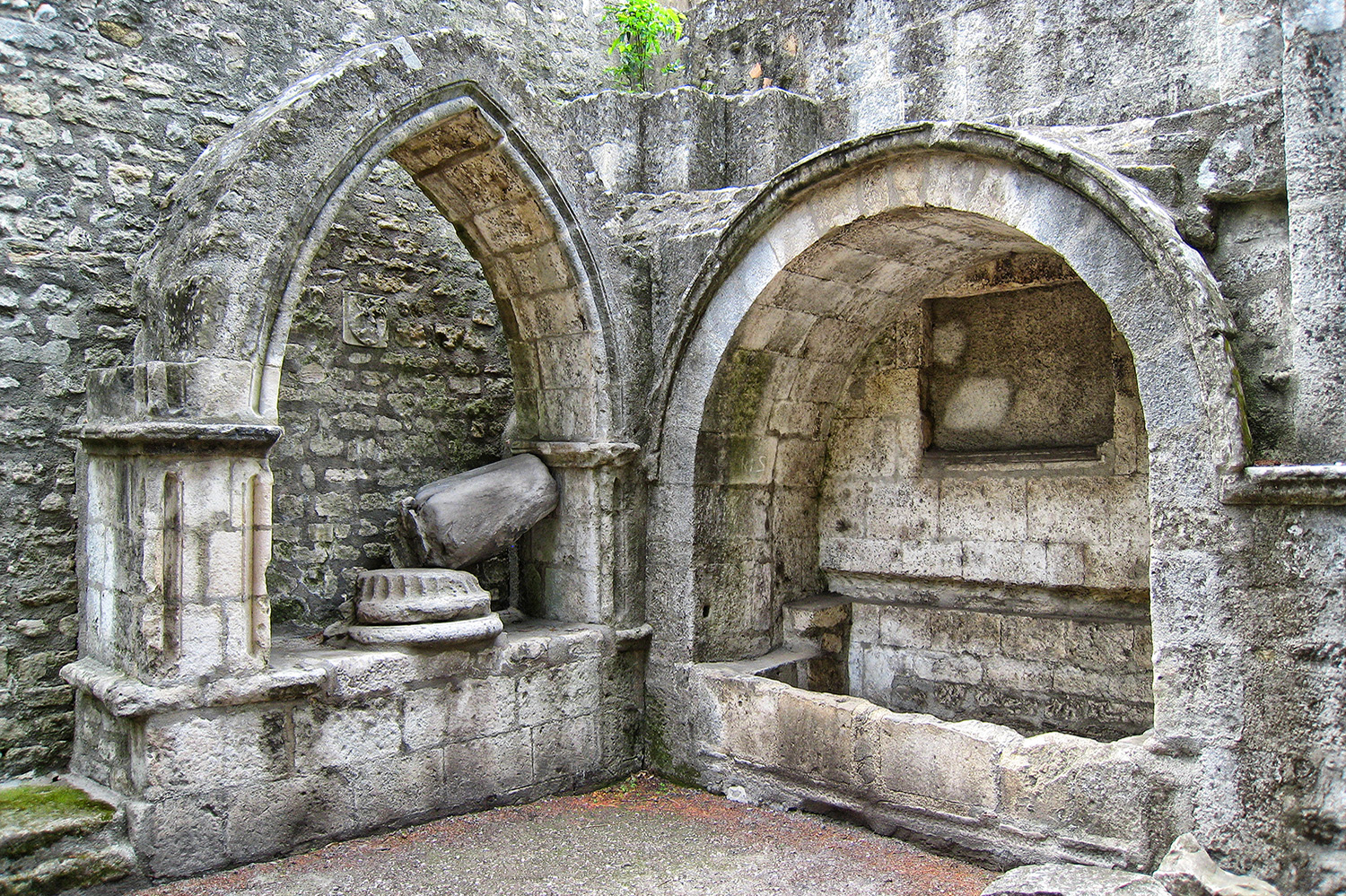
Southern France has many remarkable Roman and Gallo-Roman ruins. The Gallo-Roman villa of Séviac (130 C.E.) is an important site in the Armagnac area of the Gers, in south-west France. Situated in the village of Montréal-du-Gers, it is one of the finest archaeological sites dating from the Roman conquest of Gaul. In Provence, south-east France, there are 2 exceptional sites, Glanum (40 B.C.) just outside St. Remy de Provence and Puymin (20 C.E.)and La Villasse (70 C.E.) in Vaison-la-Romaine.
chateau de monbazillac Tour
Bordeaux & Beyond

Experience the hidden gems of the Nouvelle Aquitaine region with Jennifer Dewar on two very special tours: April 5-12, 2027 beginning at an exclusive luxury spa and ending with a stay at a Bordeaux Grand Cru wine château, and the other, June 21-28, 2027 focusing on botanical artistry techniques with renowned English artist, Cherry Denman, and ending in the beautiful city of Bordeaux where you’ll discover Bordeaux’s fascinating history, cultural heritage, gastronomy and wine industry. Please contact Jennifer directly at jenniferduffy@mac.com for more information and to book your tour.

French Country Adventures

66 Chemin du Nouet Lieu dit Aux Arbeils
32800 Ayzieu
+33 633 328 961

  Email Me

Follow Me