

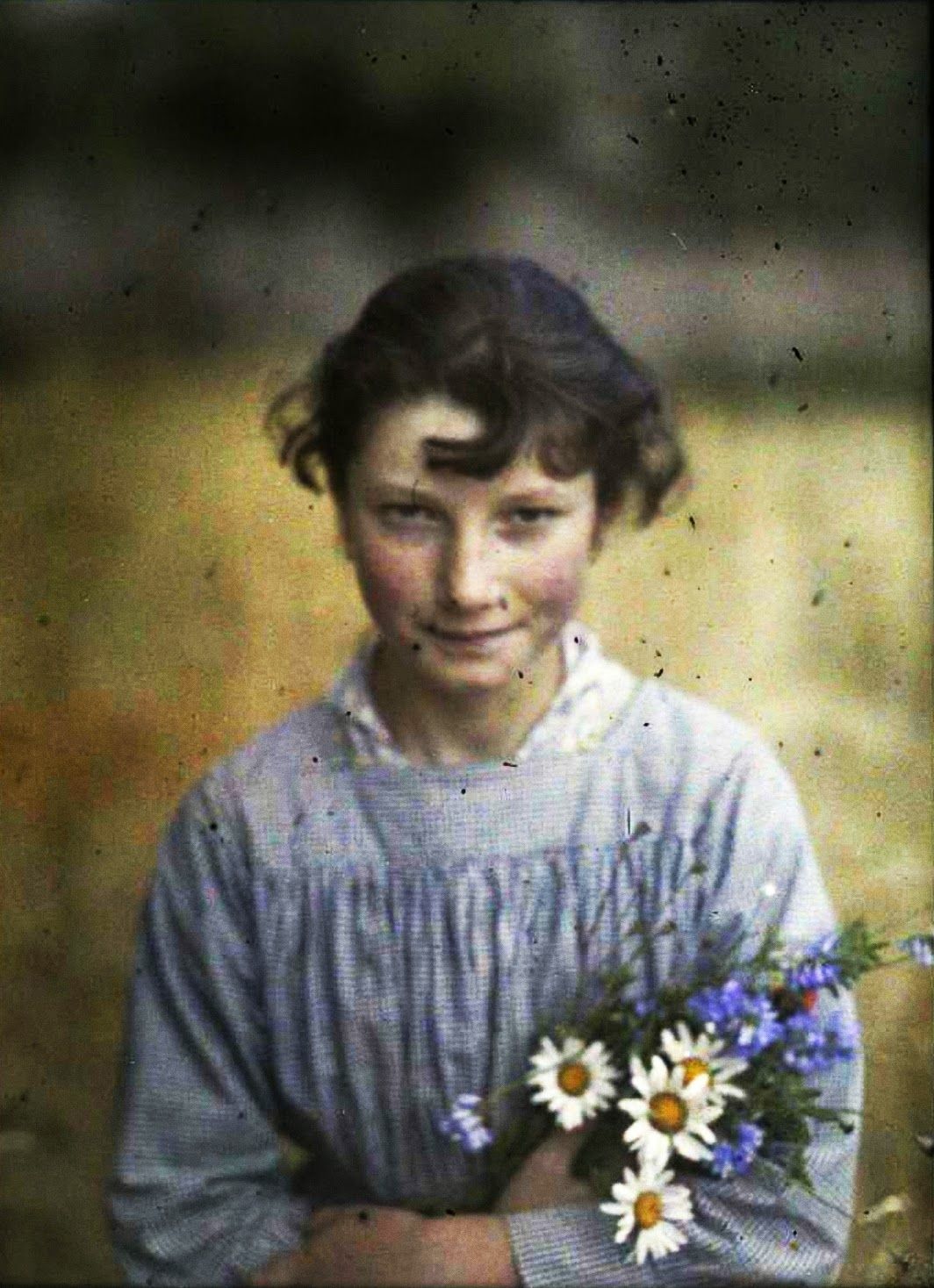
From neolithic cave painters to the mid-19th century invention of the camera, stopping time and capturing images has fascinated humanity. We are hardwired to express ourselves. The human brain processes 60,000 times faster than words and the language of photography has allowed humankind to pictorially record our history.
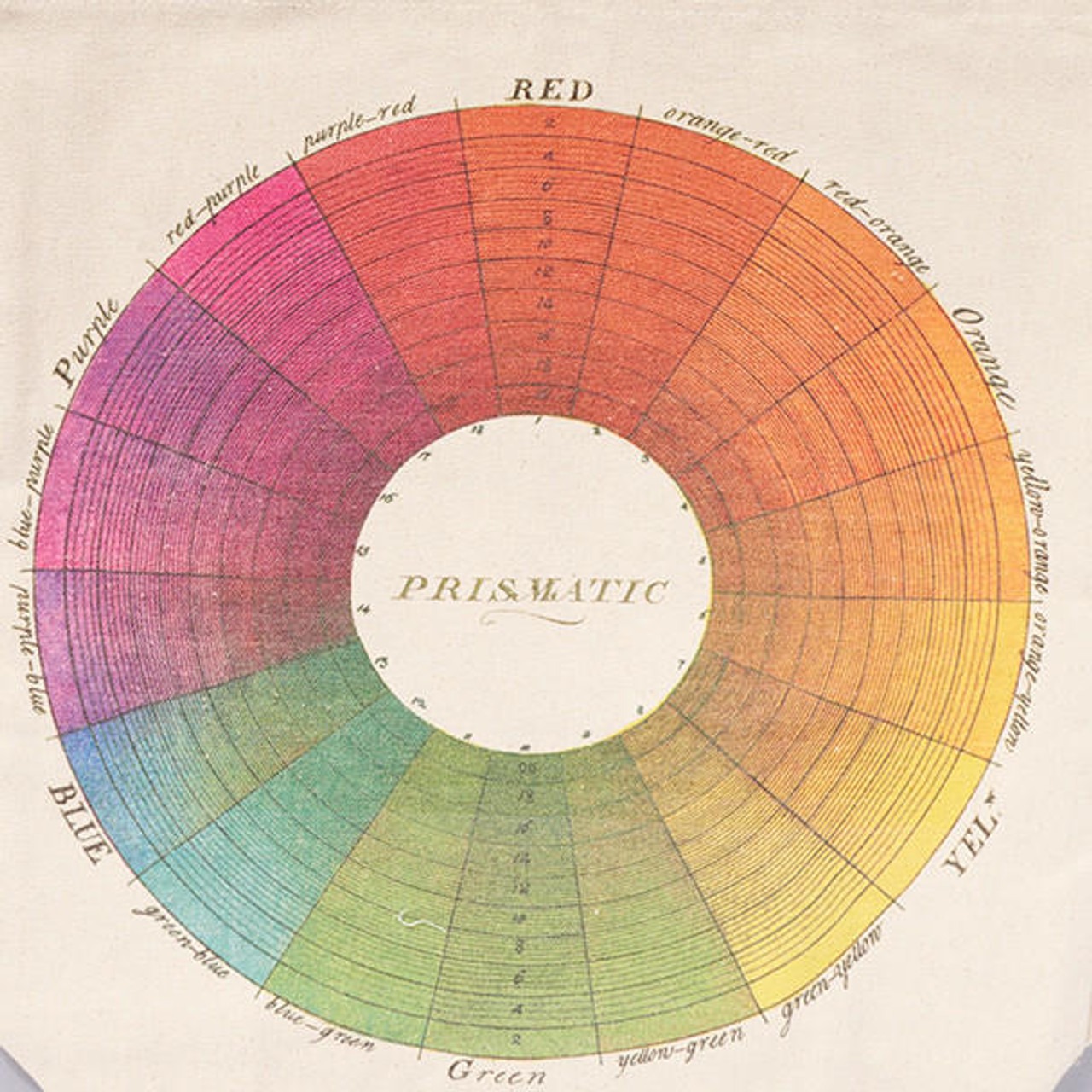
As early as the 4th century BCE the Greek philosopher, Aristotle, developed the first known theory of color and light. He believed God sent the world color from heaven through “celestial” rays of light.”His beliefs were widely held until they were amended by the English physicist and mathematician, Sir Isaac Newton, some 2,000 years later. Experimenting at his home in 1666, Newton split white light into a spectrum by means of a prism and wrapped the resulting rainbow around itself creating the first color wheel. He understood that the world existed in color, and that color began with light. Our mind’s ability to interpret wavelengths of light create the colors we see.
While there was no defining moment that photography was invented, the basic idea existed for centuries and developed over the ages as technology progressed. The earliest cameras such as the camera obscura weren’t used so much to take pictures as they were to study optics. They demonstrated how light can be used to project an image onto a flat surface. The Arab philosopher Ḥasan Ibn al-Haytham (965-1040), a mathematician, astronomer, and physicist, is considered the father of modern optics. He studied reflection, refraction and the nature of images formed by light rays. But the actual chemistry needed to record an image was not available until the 19th century.
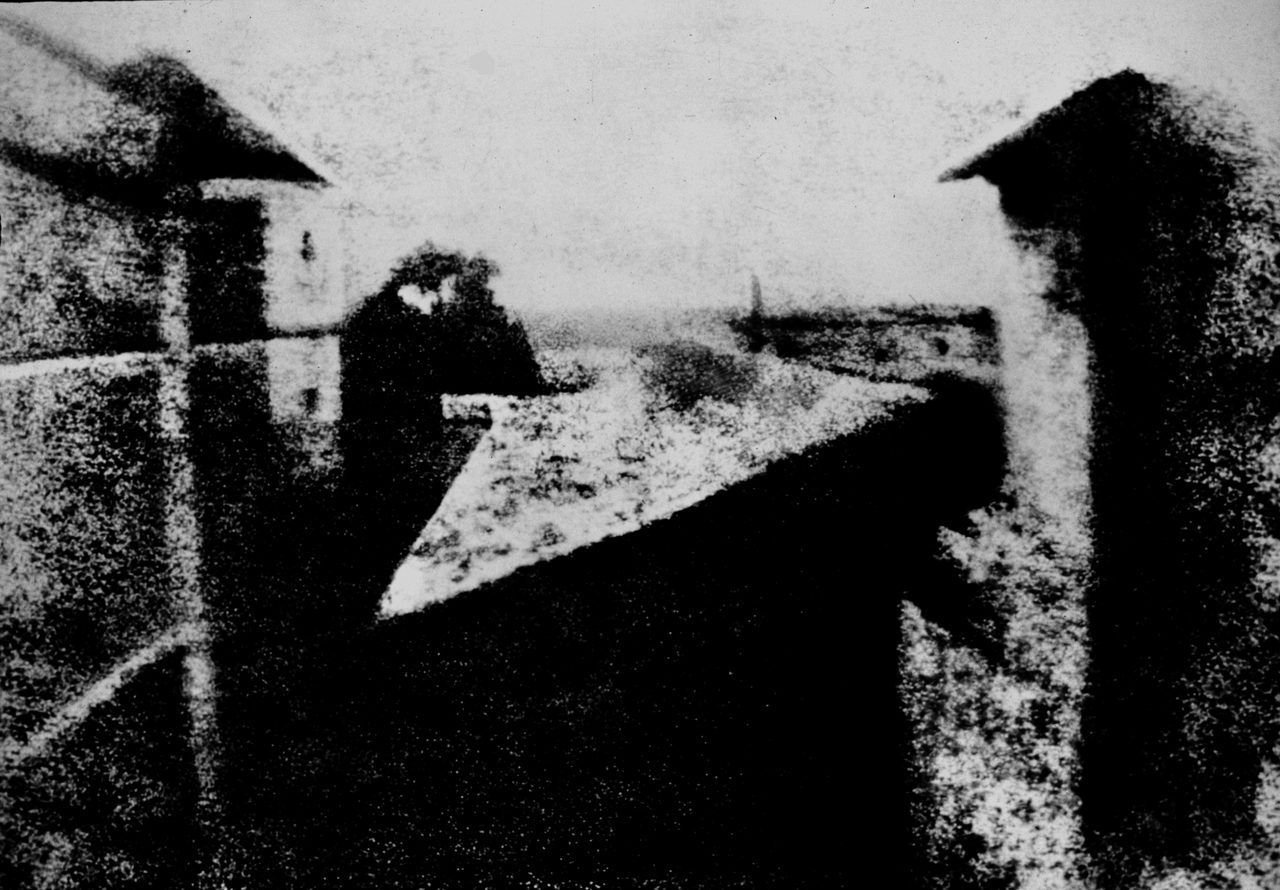
The earliest photograph was created by Joseph Nicéphore Niépce (French, 1765–1833), produced with the aid of a camera obscura. It was a real breakthrough, after years of developments. Niépce photographic experimented with photography in order to record everyday life. As early as 1816 he produced images, or points de vue, while using a mixture of chemicals, materials, and techniques, creating héliographie, or sun writing. He dissolved light-sensitive bitumen in lavender oil and applied it on a silver plate, then inserted the plate beneath his camera obscura and positioned it near a workroom window. Exposure to sunlight would create an impression on the plate of the courtyard, outbuildings, and trees outside. Ten years later, in 1826, Niépce produced the first “photograph”, View From the Window at Le Gras, the oldest one known in the world today.
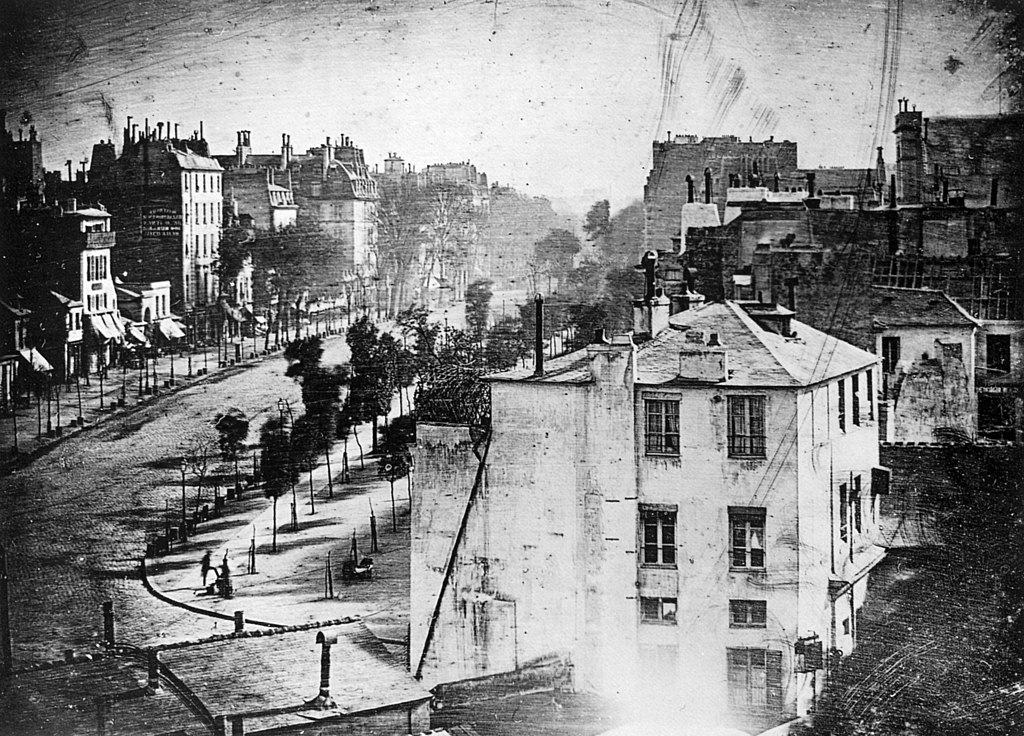
In 1829 Niépce established a commercial relationship with the French artist and inventor Louis Daguerre (1787–1851), who owned the renowned Diorama in Paris. He and Niépce both sought ways of using chemistry and light to fix permanent images, but while Niepce’s process remained inefficient due to the slowness and complexity of the various operations, Daguerre produced the first sophisticated photographic process, the daguerreotype, and a more efficient camera. Daguerreotypes are created by covering a copper plate with silver, sensitizing it with iodine, then exposing it to hot mercury. Even though his photographs captured the forms of nature with beautifully rendered detail, and were wildly successful worldwide, they still failed to capture and retain their color.
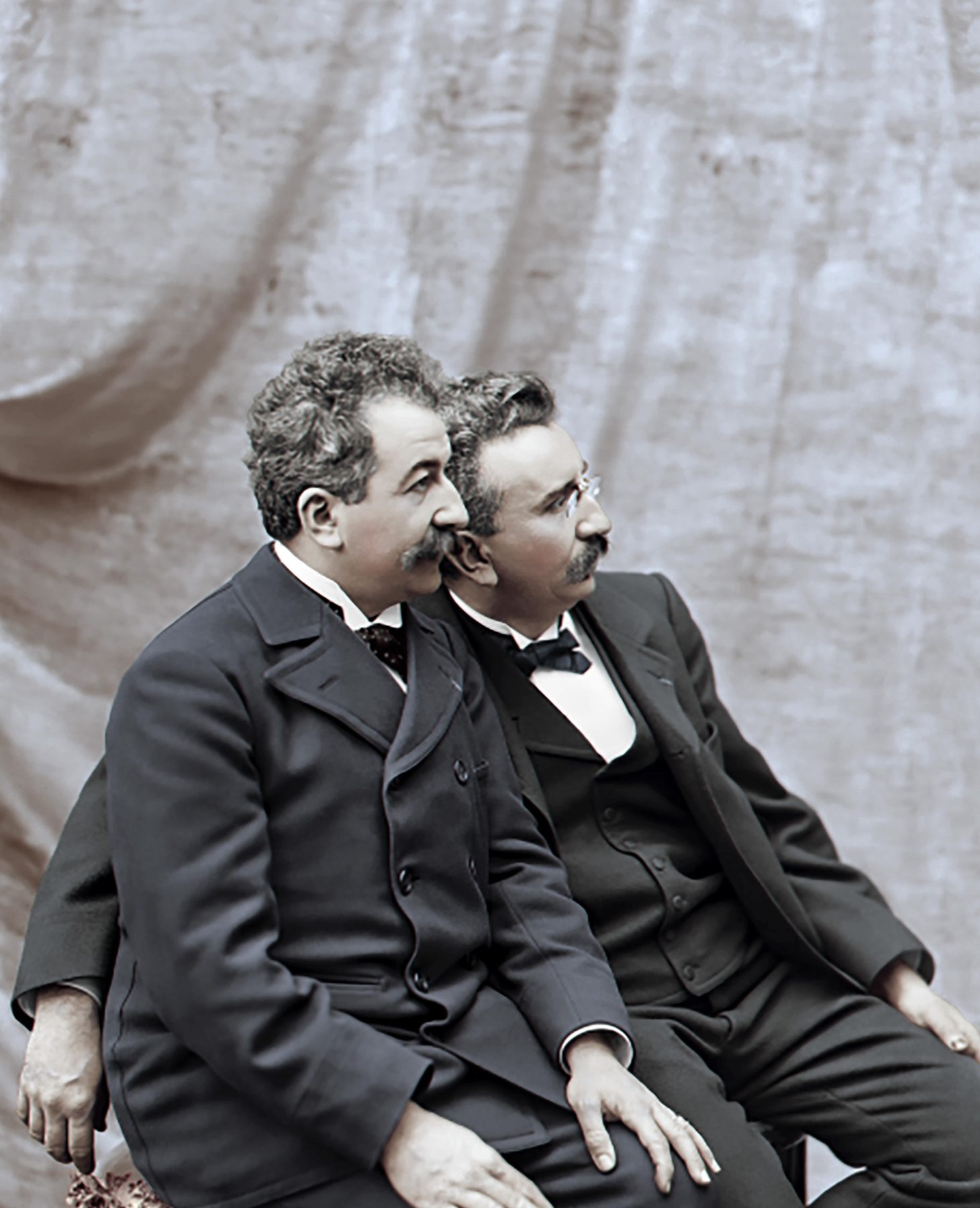
Photography’s potential as a means of documenting reality continued. Attempting to meet consumer demand for realistic images, photographers began to add color to images by hand, but hand-coloring paled by comparison. A practical method of color photography remained elusive until 1868 when Louis Arthur Ducos du Hauron (1837 -1920), an amateur physicist and artist, patented a three-color, trichrome process by combining colored pigments instead of light. Three negatives, taken through red, green and blue filters, were used to make three separately dyed images which when superimposed, produced a colored photograph. In theory, his technique still forms the basis of today’s color processes, but it was not until the end of the 19th century that the first so-called panchromatic plates, sensitive to all colors, were produced.

The first public demonstration of their process took place on June 10, 1907 at the offices of the newspaper, L’Illustration, in Paris. Some 600 people, including scientists, artists and politicians, were in attendance. They witnessed, in the words of a journalist from Le Figaro, a “real revolution.” It was a resounding success.
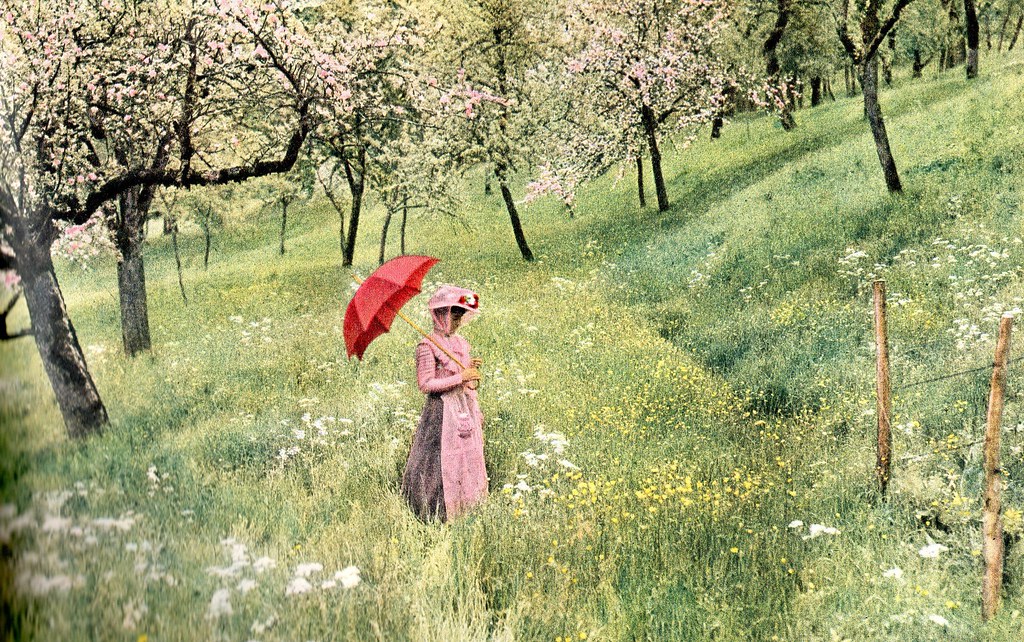
Autochrome Lumière photographs didn’t require a special apparatus so photographers could use their existing cameras. Although complicated and expensive to make, autochrome plates were simple to use, a fact that greatly enhanced their appeal to amateur photographers. They did not require any special apparatus except a tripod, so photographers could use their existing cameras. For a simple viewing, autochromes could simply be held up to the light. For viewing by several people they could be seen by using a diascope, a device used to display transparencies. But when viewed in stereoscopes the images were nothing short of transcendent.
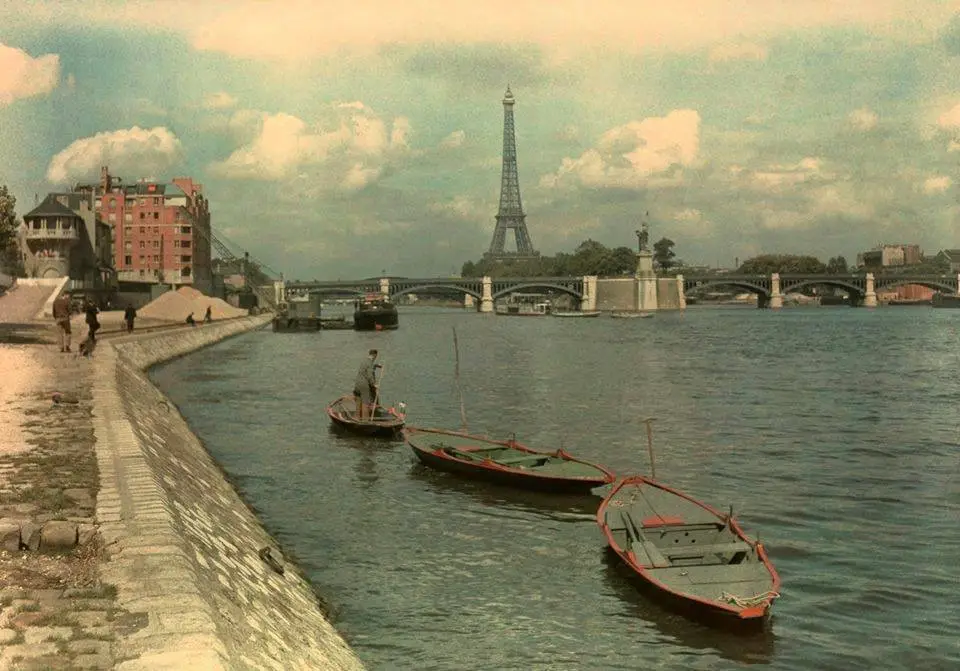
The Photographic News noted in 1908, “…when the effect of relief is joined to a life-like presentation in color the effect is quite startling in its reality. It is not easy to imagine what the effect of anything of this kind would have been on our ancestors and witchcraft would have been but a feeble, almost complimentary term, for anything so realistic and startling.”
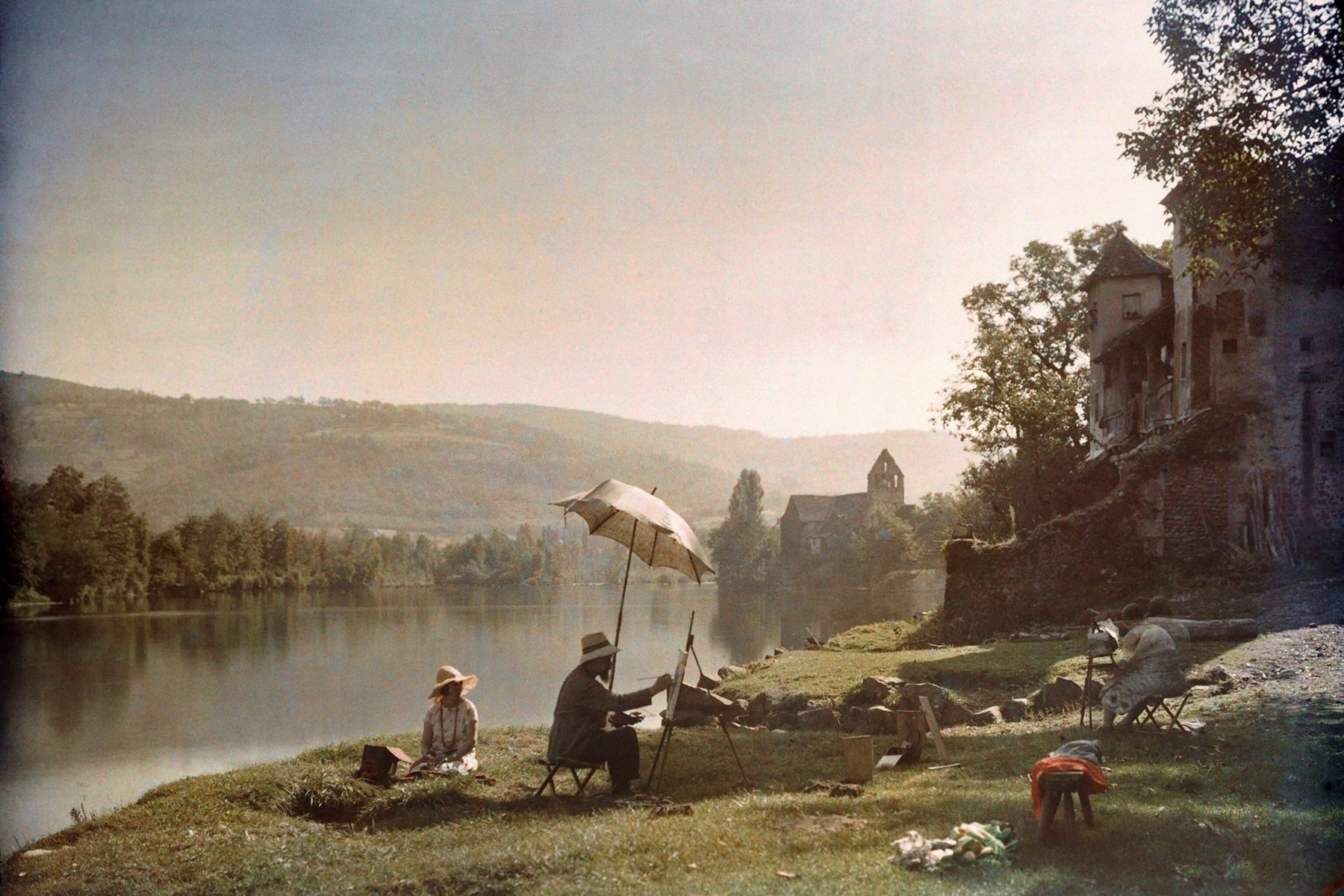
The Salon Exhibition of 1908, for example, contained almost 100 autochromes by leading figures such as the American photographers, Edward Steichen, and Alfred Steiglitz, and the French photographers, Jacques-Henri Lartigue, Léon Gimpel, Jules-Gervais Courtellement, and Auguste Léon.
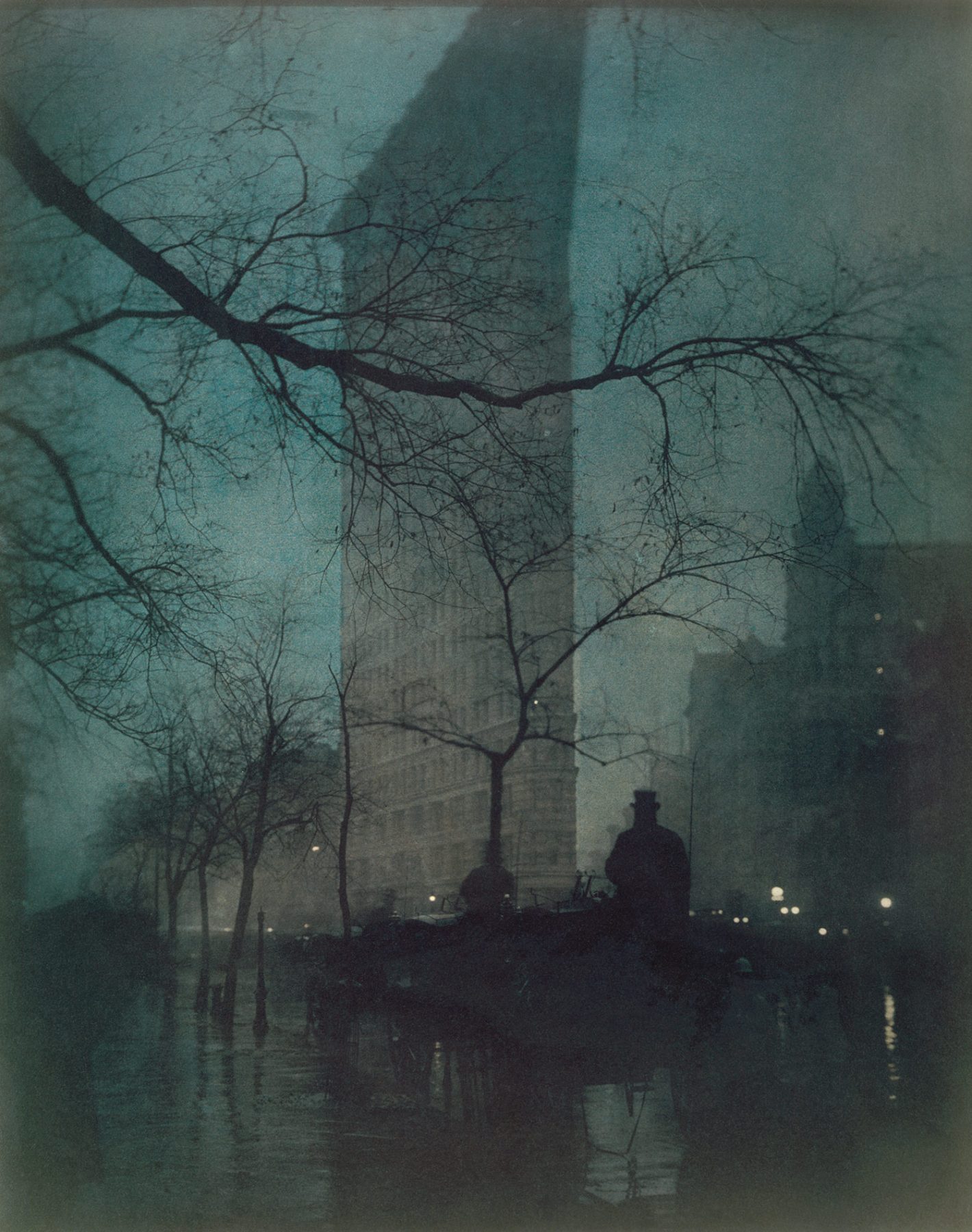
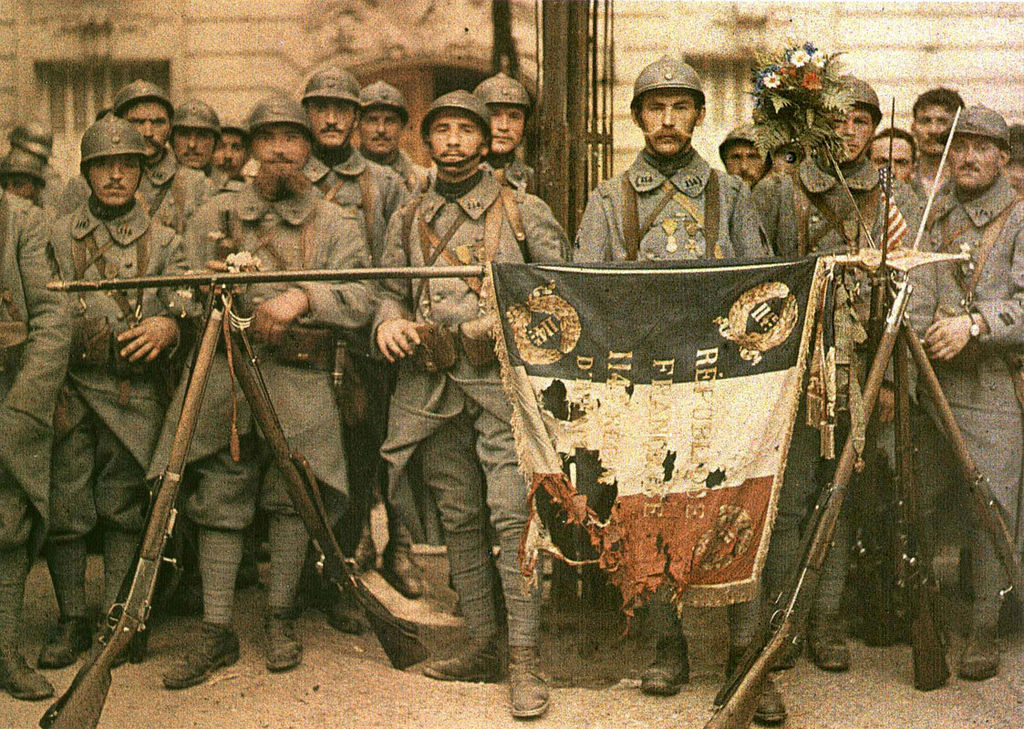
By 1913, the Lumière factory was making 6,000 autochrome plates a day, in a range of different sizes. It brought a whole new dimension to the pursuit of realism. The value of the process for scientific, medical, and documentary photography was recognized almost immediately. Created just a few months after the start of World War I, the Army Photographic Section, which centralized and ensured the dissemination of images of the conflict, sent specially-commissioned autochrome experts to the front. Often taken far from the front lines, their images show the consequences of war: destruction, injuries, and death.
In 1932, responding to a growing trend away from the use of glass plates towards film, the Lumières introduced a version of their own process which used sheet film as the emulsion support, marketed under the name Filmcolor. Within a couple of years this had virtually replaced glass autochrome plates. However, these changes occurred at precisely the same time that other manufacturers were successfully developing new multi-layer color film which reproduced color film doing away with the need for filter screens. It was with these pioneering, multi-layer films such as Kodachrome that the future of color photography lay. The Lumière company was a major producer of photographic products in Europe, but the brand name Lumière disappeared from the marketplace following the merger with the British company, Ilford.
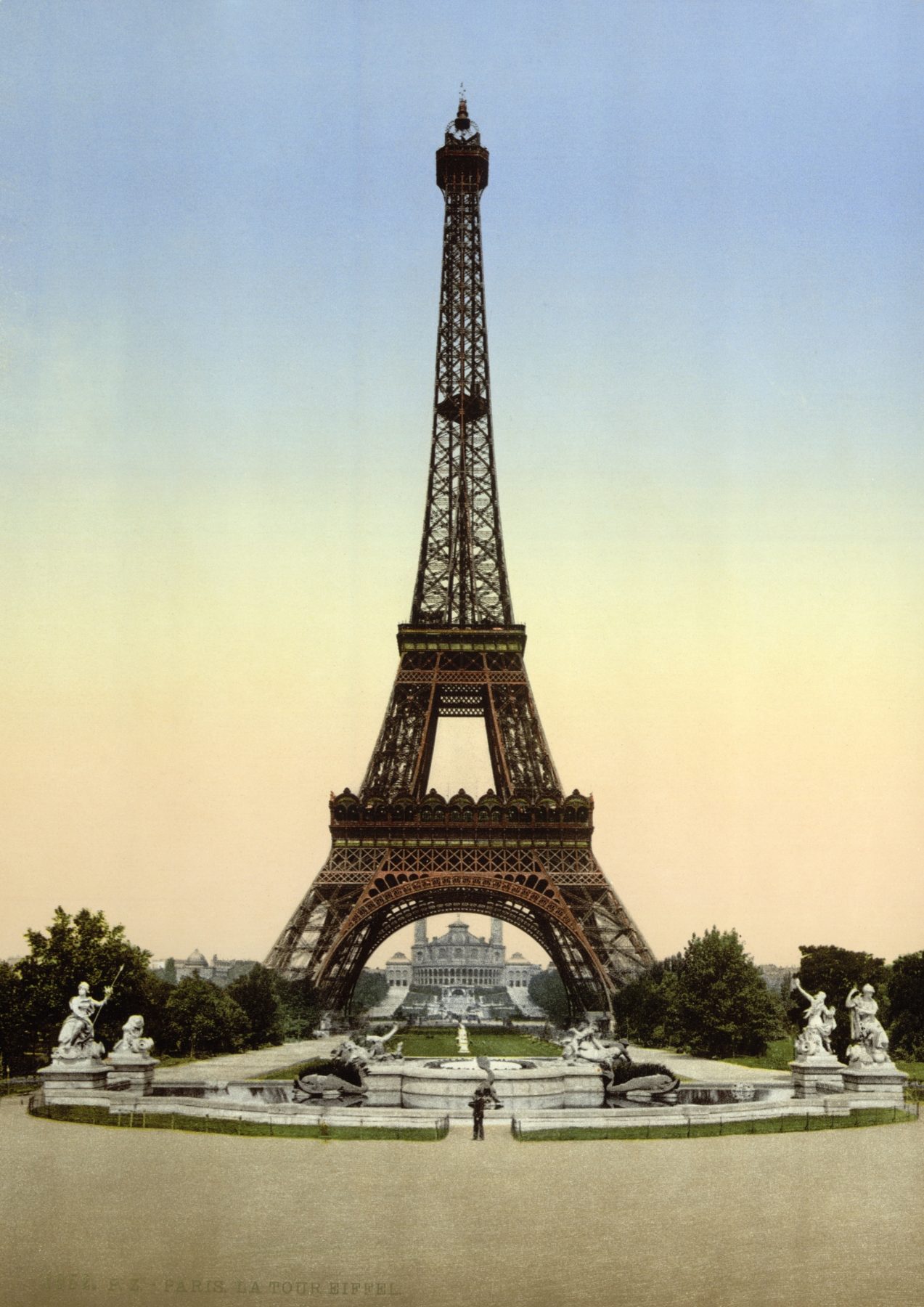
The autochrome was confined to history, but it retains its place among the most beautiful photographic process ever invented. Louis died on June 6, 1948 and Auguste on April 10, 1954. They are buried in the family tomb in the New Guillotière Cemetery in Lyon.
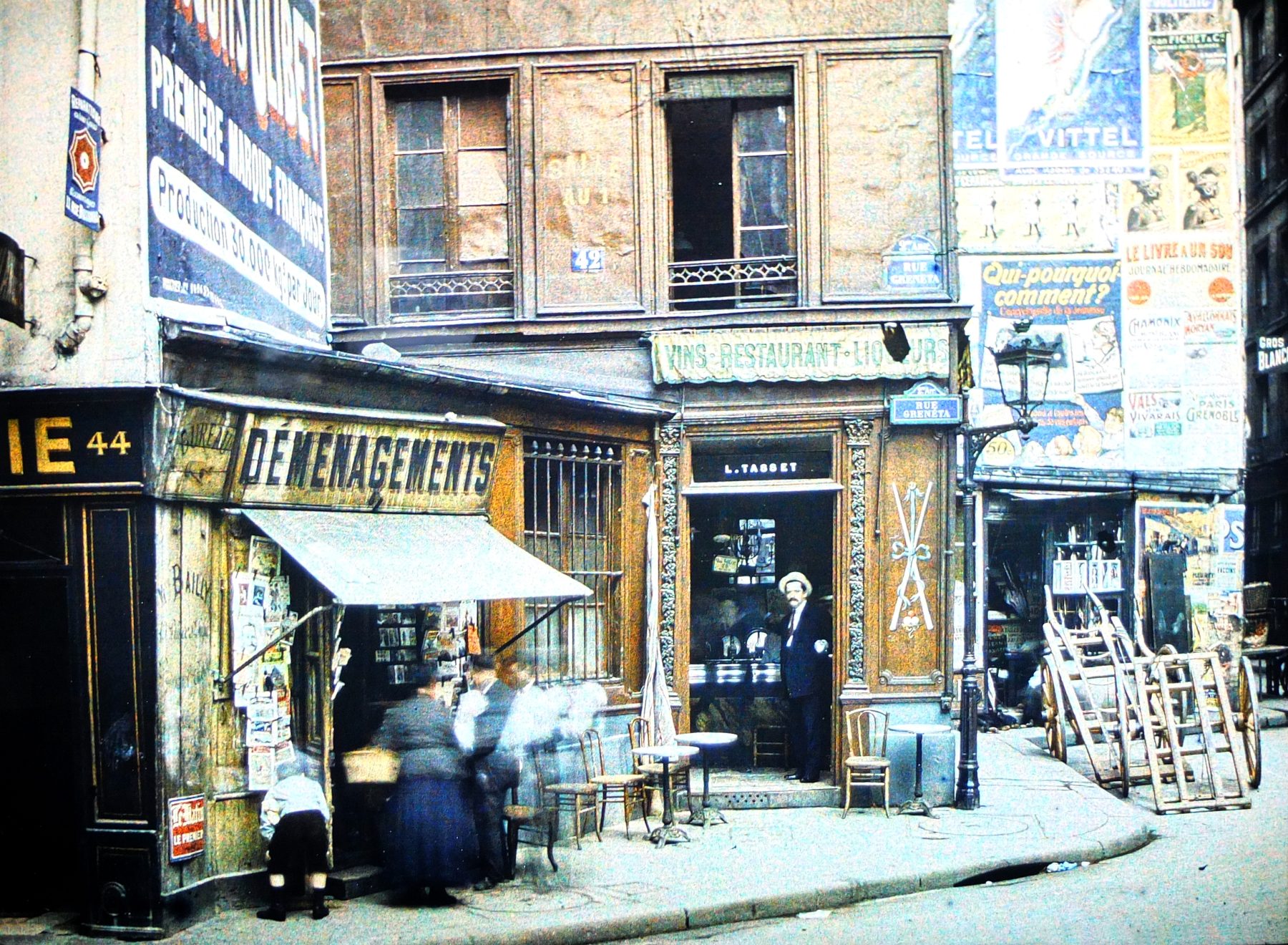
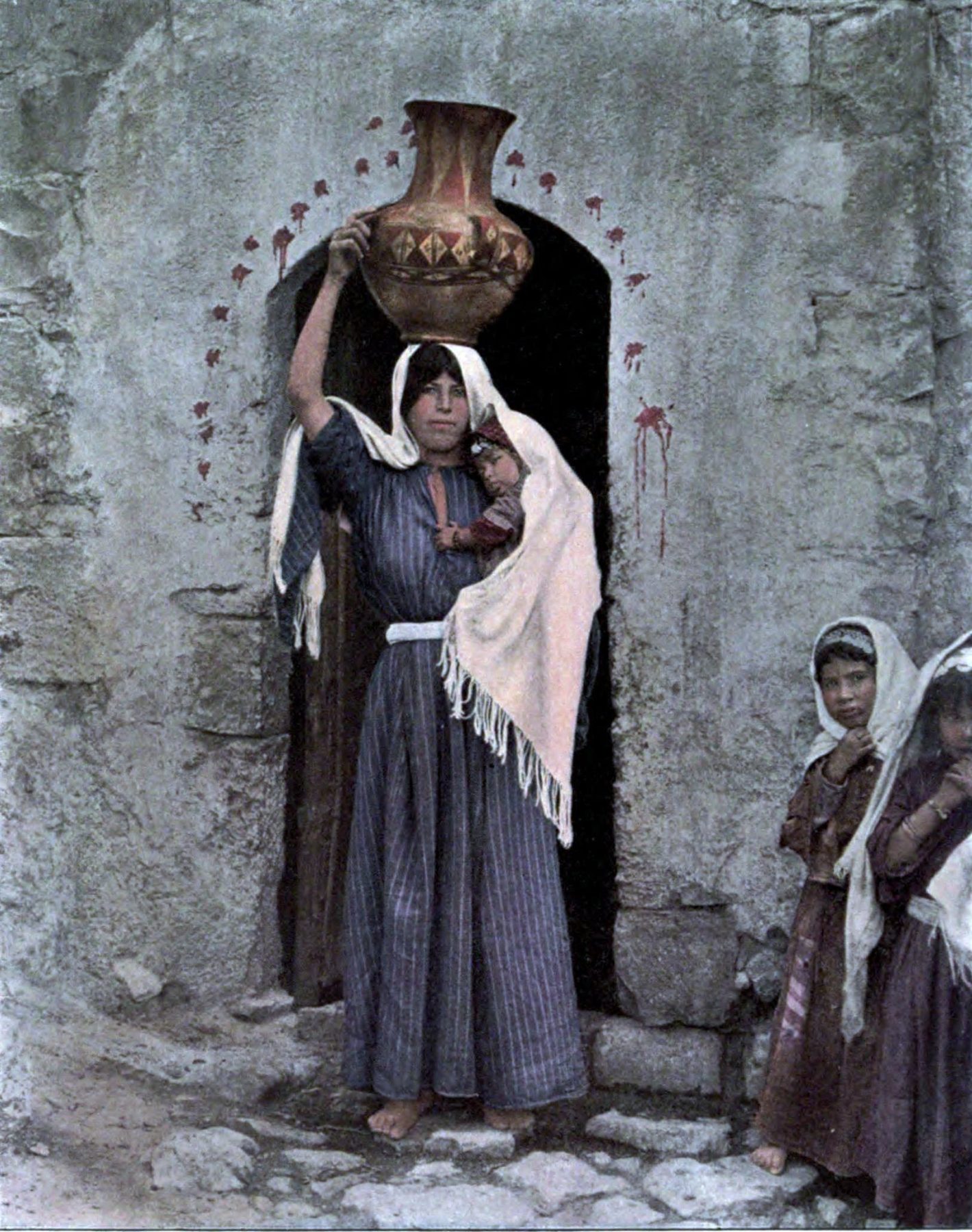
In 1854 the Société Française de Photographie was founded in Paris. Starting in the early 20th century, the SFP outlined a mission to protect historic works, and today it also functions as a research center for the history of photography. The association has a valuable historic collection consisting of some 10,000 images and 50,000 negatives including 5,000 autochromes. And thanks to the thousands of photos taken by photographers using the autochrome process, the colors of the first third of the 20th century have been preserved by the Albert Kahn Center, the French Society of Photography, The Lumière Institute, the Library of Congress and the National Geographic Society in Washington DC.
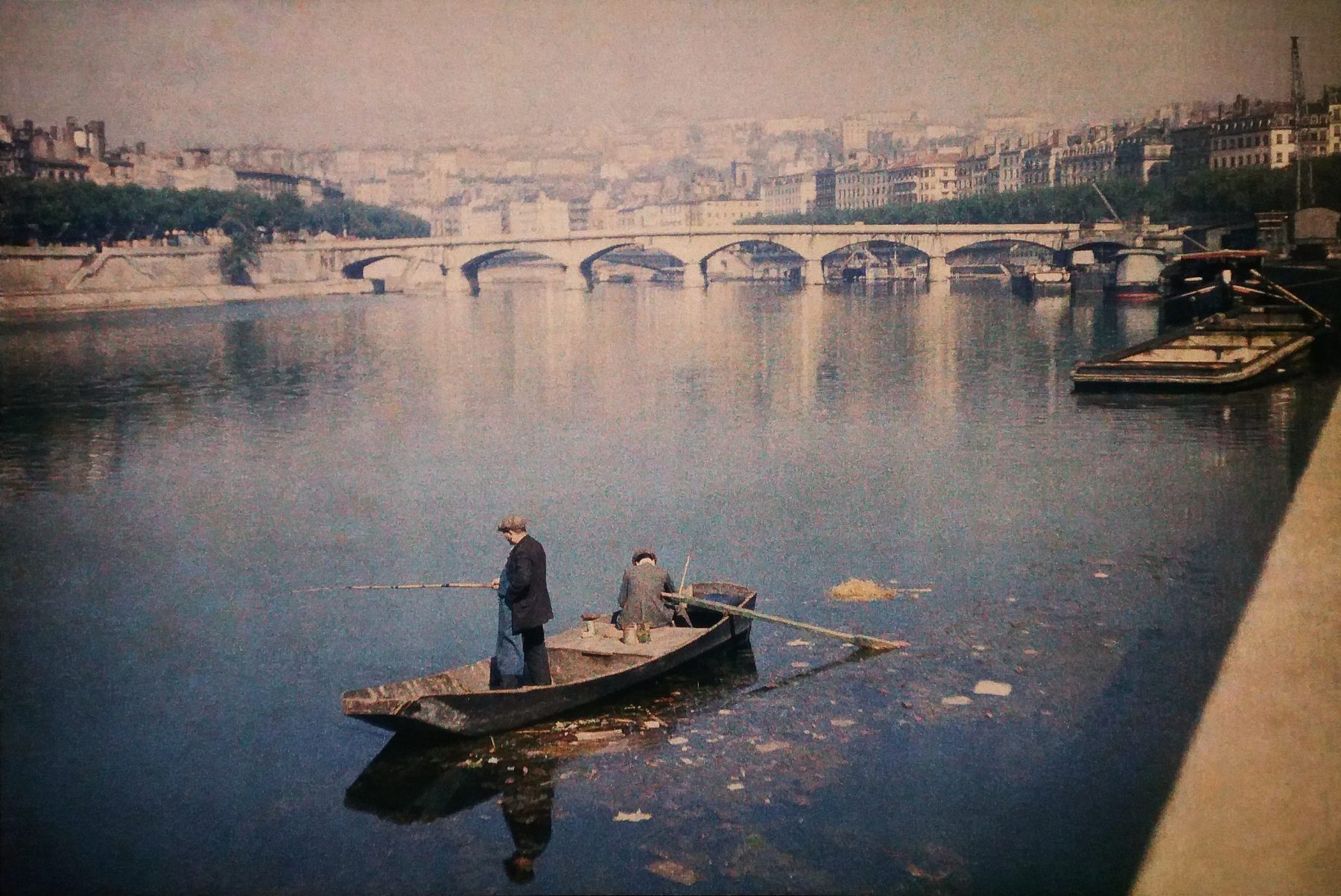
In 1854 the Société Française de Photographie was founded in Paris. Starting in the early 20th century, the SFP outlined a mission to protect historic works, and today it also functions as a research center for the history of photography. The association has a valuable historic collection consisting of some 10,000 images and 50,000 negatives including 5,000 autochromes. And thanks to the thousands of photos taken by photographers using the autochrome process, the colors of the first third of the 20th century have been preserved by the Albert Kahn Center, the French Society of Photography, The Lumière Institute, the Library of Congress and the National Geographic Society in Washington DC.
*All of the photos are from Public Domain or Wikipedia Commons.
** Article first appeared in Bonjour Paris, January 12, 2024