
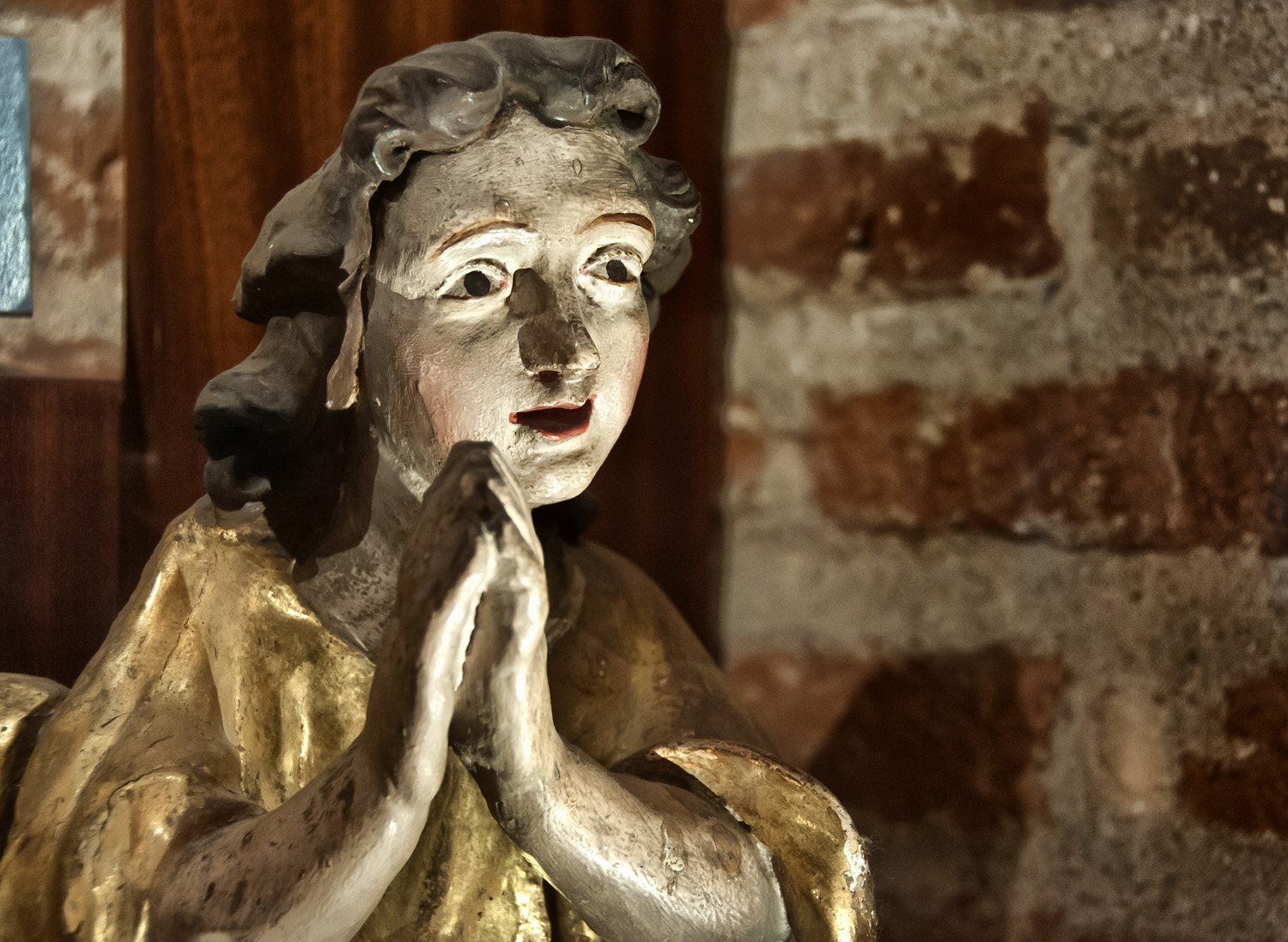

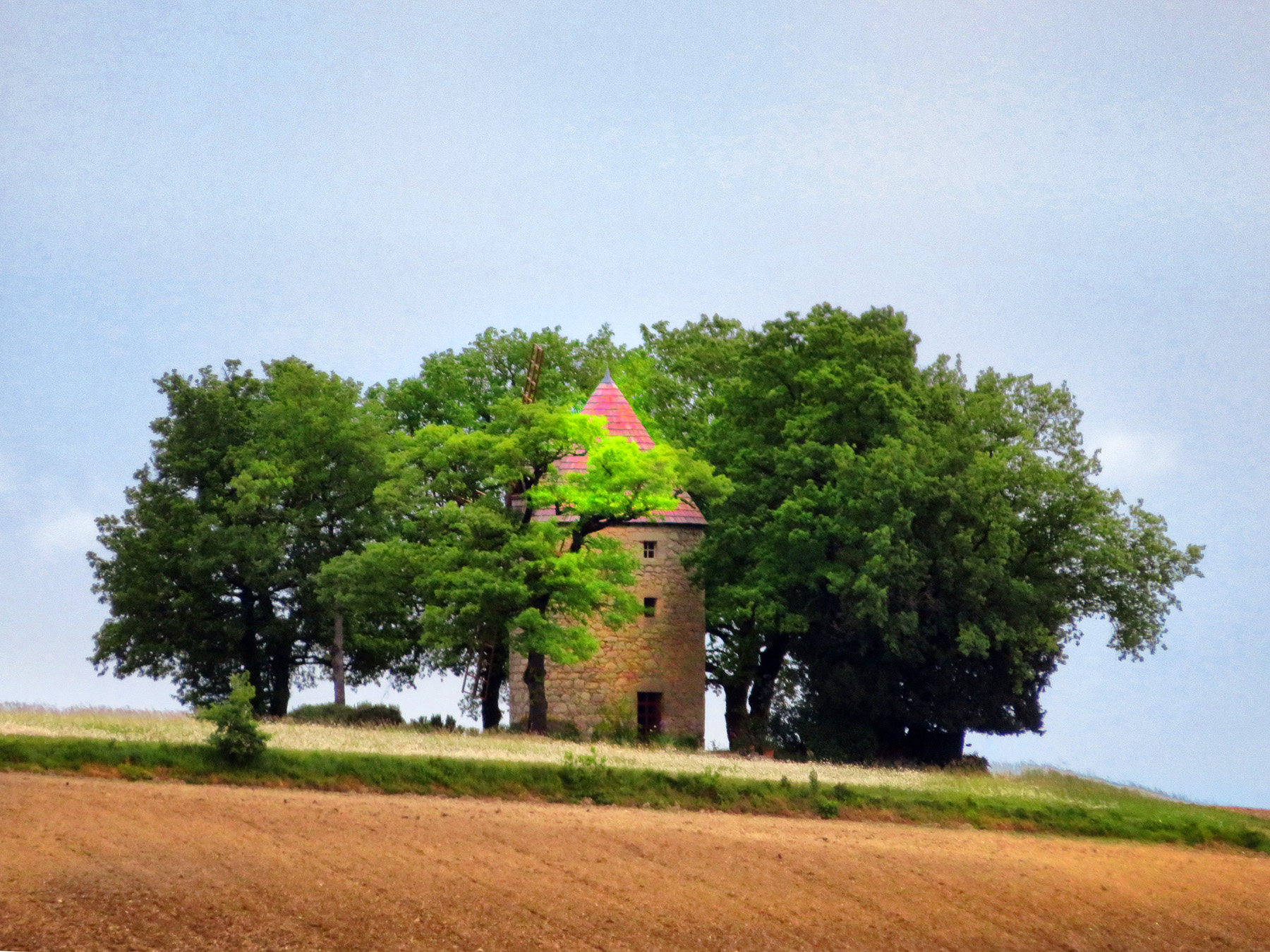
 In the Middle Ages you were lucky to survive your own birth, or the barrage of childhood diseases that followed, and live to the ripe old age of 40. The majority of people were peasants who worked every day just to ensure their family had a roof over its head and food to eat. Medieval life was hard. It was patriarchal. Class differences were huge. Injustice was rampant. There was plenty of racial and religious discontent. The nobility indulged themselves; the peasants did without. The kings and nobility all vied for more wealth and power until the Bubonic Plague (Black Death) arrived in Europe in 1347.
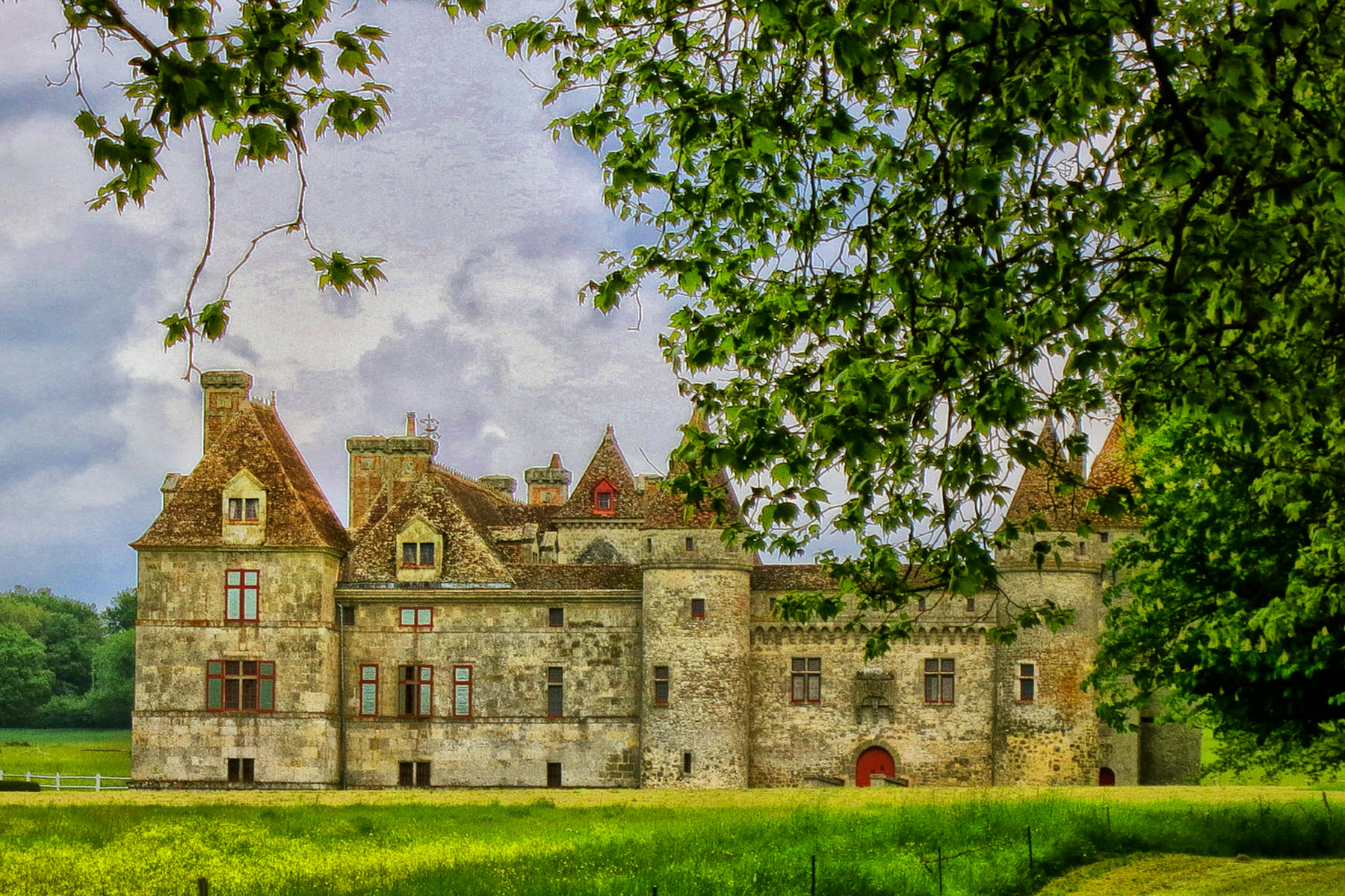 The Black Death was believed to have started in China in 1334, spreading along the Silk Road and other trade routes, reaching Europe via Sicily in 1347 on ships sailing from the Black Sea. Not long after arriving in Messina, the island capital, the plague spread to the port of Marseilles in France and the port of Tunis in North Africa. By the middle of 1348, the Black Death had struck Paris, Bordeaux, Lyon, and London. In total, the plague killed an estimated 50 million people.
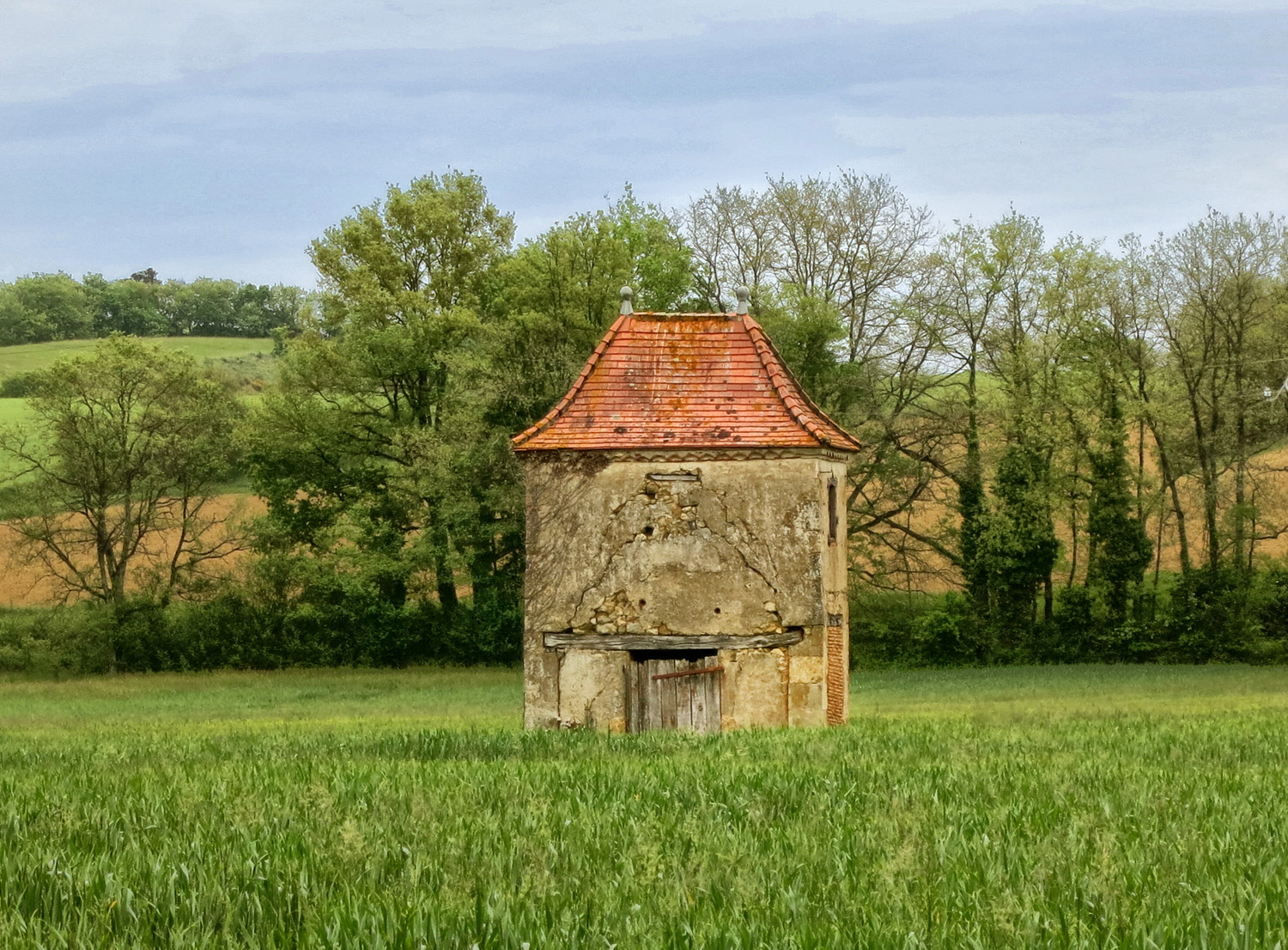 In this challenging and difficult time, it is wise to counterbalance the darkness with light. We must first take responsibility for our impact on the Earth. We need to recognize the distorted ways we relate to each other and the natural world. We must learn to feel, deep inside, that it is imperative we live for the welfare of the whole. We must begin to build a global community committed to social justice with respect for each other and all forms of life.
  I am someone who has a strong sense of right and wrong. I feel I have a moral obligation to make choices that contribute to a better world, but not everyone feels the same way. There are individuals, companies and governments who profit from the exploitation of people and the planet and sow confusion to prevent solutions with no direct consequences for their actions.
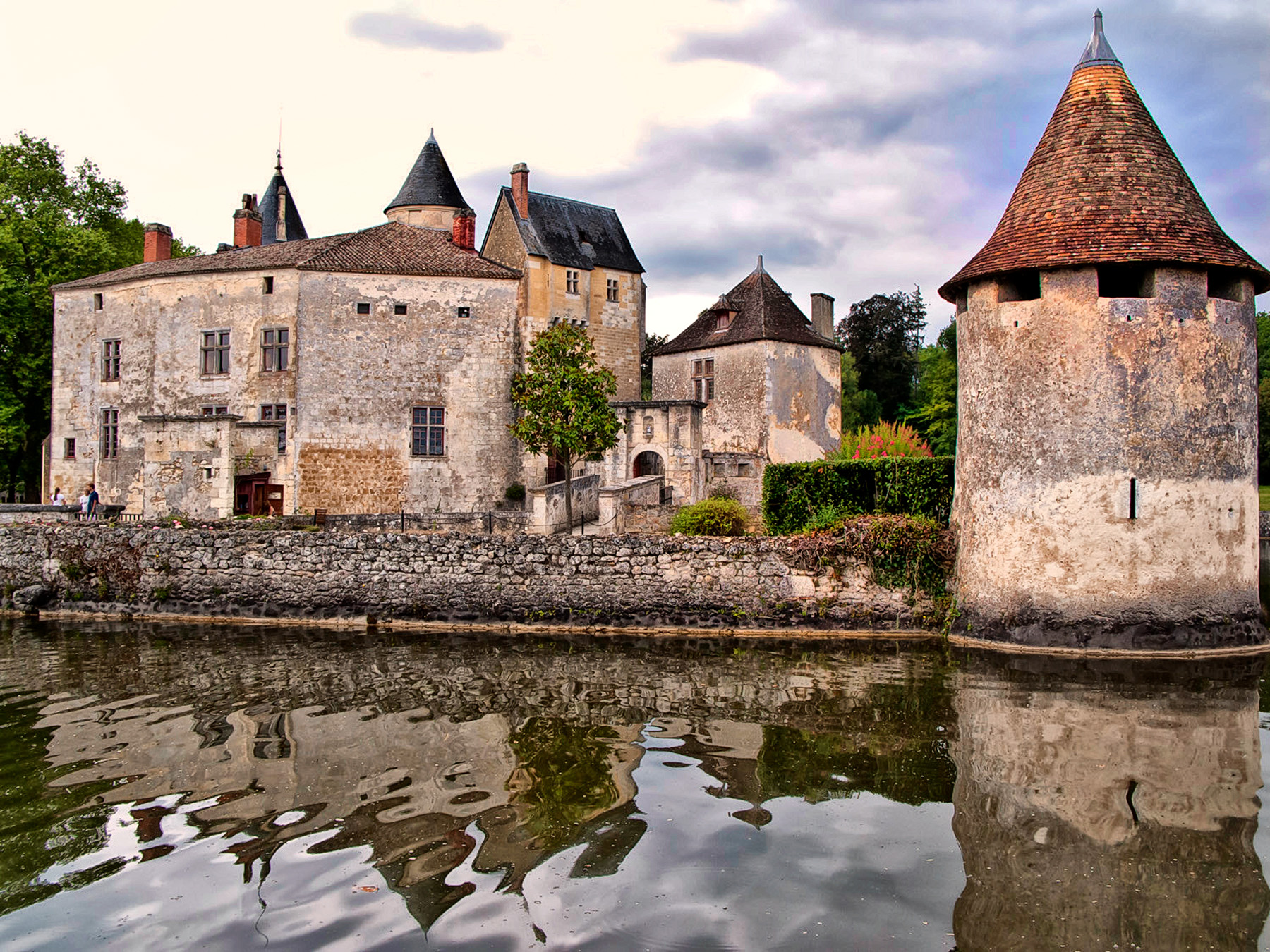 Whatever your opinion on our responsibility for improving the world, it is hard to deny that a healthier climate, greater justice and more equality would be in everyone’s best interests. Nearly two thousand years ago, the stoic philosopher and Roman emperor, Marcus Aurelius, wrote “That which is bad for the beehive cannot be good for the bee.”
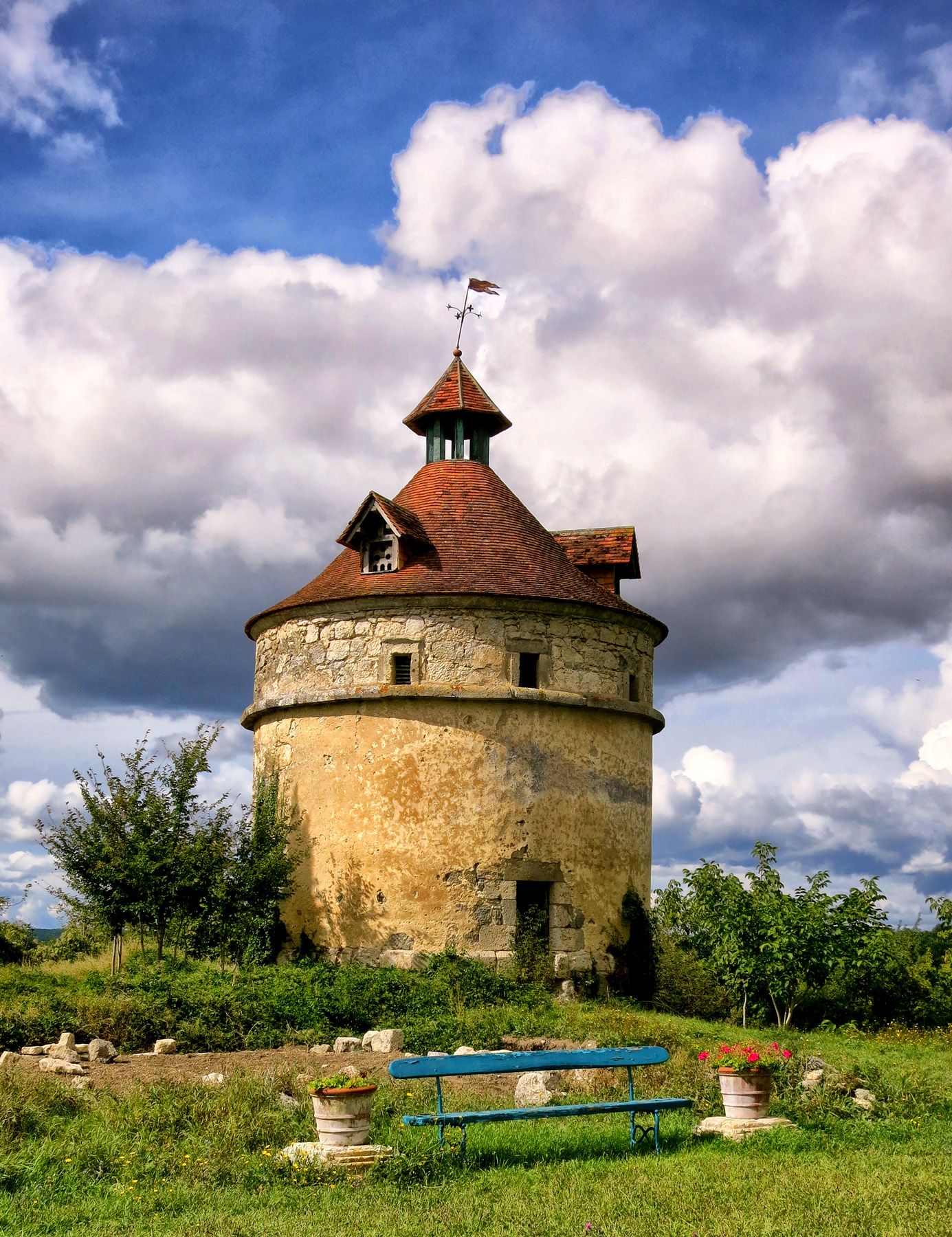 The truth is we really do live in a fragile world—in the end, of course, any moment could be our last.
Sue … Your photos today are perfect! I long to see this part of the world again … and thank you for the very brief history of how it “use” to be in medieval times. History definitely repeats and we never learn … it appears that it is the human condition to separate. Thank you for this today.
You’re very welcome, Lisa. I lost a whole paragraph somewhere in the technology void, but the post still works. Thanks for reading it. Next month’s post will be much lighter in spirit!
I love reading your posts. This one was exceptionally soothing.
And I love having you read my posts dear Aliki. Keep staying safe and healthy, family, too. xo
I just reread the May blog aloud so that Marvin could enjoy it with me. Your writing is a gift. I feel I’ve just had a “petite visite” to your beautiful countryside. Thank you for sharing your visions and ideas.
And thank you for commenting Sandy. I so appreciate your and Marv’s support. Wish you were here.
A keen essay Sue ..bravo..was a lovely read before my head hits the pillow ! Xx
Thanks for taking the time to read the post. Hopefully, it didn’t keep you awake!
Sue,
It is the words that are important before the acts of courage bring change. That is what I think.We do not have a world that is good and healthy for most humans, nor is black death (in the form of corona virus) tragic for all of us. But we can all feel a change needed. Things cannot continue the way they are going Your words remind me I am one of the lucky ones, and that acts of courage and the words that motivate them are prized now.
Acts of courage are so important now, I wholeheartedly agree. Feelings, thoughts, words, action!
As usual, Sue, your thoughts are right on the mark and appropriate for the times! And your photos: always exceptional. I also love the quotations you find. “That which is bad for the beehive cannot be good for the bee.” by Marcus Aurelius couldn’t be more appropriate for our present world’s predicament. Thanks for what you do, Sue. The world is better for having you in it!
Thank you very much for taking the time to write a comment Barbara. I always appreciate your clarity. Ah, the current world predicament…so sad, it doesn’t have to be this way. Voltaire said, ” History doesn’t repeat itself, man does.”
Sue, This was a marvelous commentary on this time, with history to complement it. Your locale does lend itself to the medieval vision. I have been thinking I feel as if I am in the “confinement” of the 19th century with electronics. Living in a world with the haves and have nots is not new, as you reference here–however we have seen such blatant abuse of the environment we all share. I’ll be using that bee analogy for sure. The photos are exquisite–thank you for the well-written food for thought and those glorious photos.
You are very welcome. Take good care, Sue
Sue, your monthly posts are always inspiring and illuminating. Thank you for all the beauty.
Thank you for continuing to read the blog!