
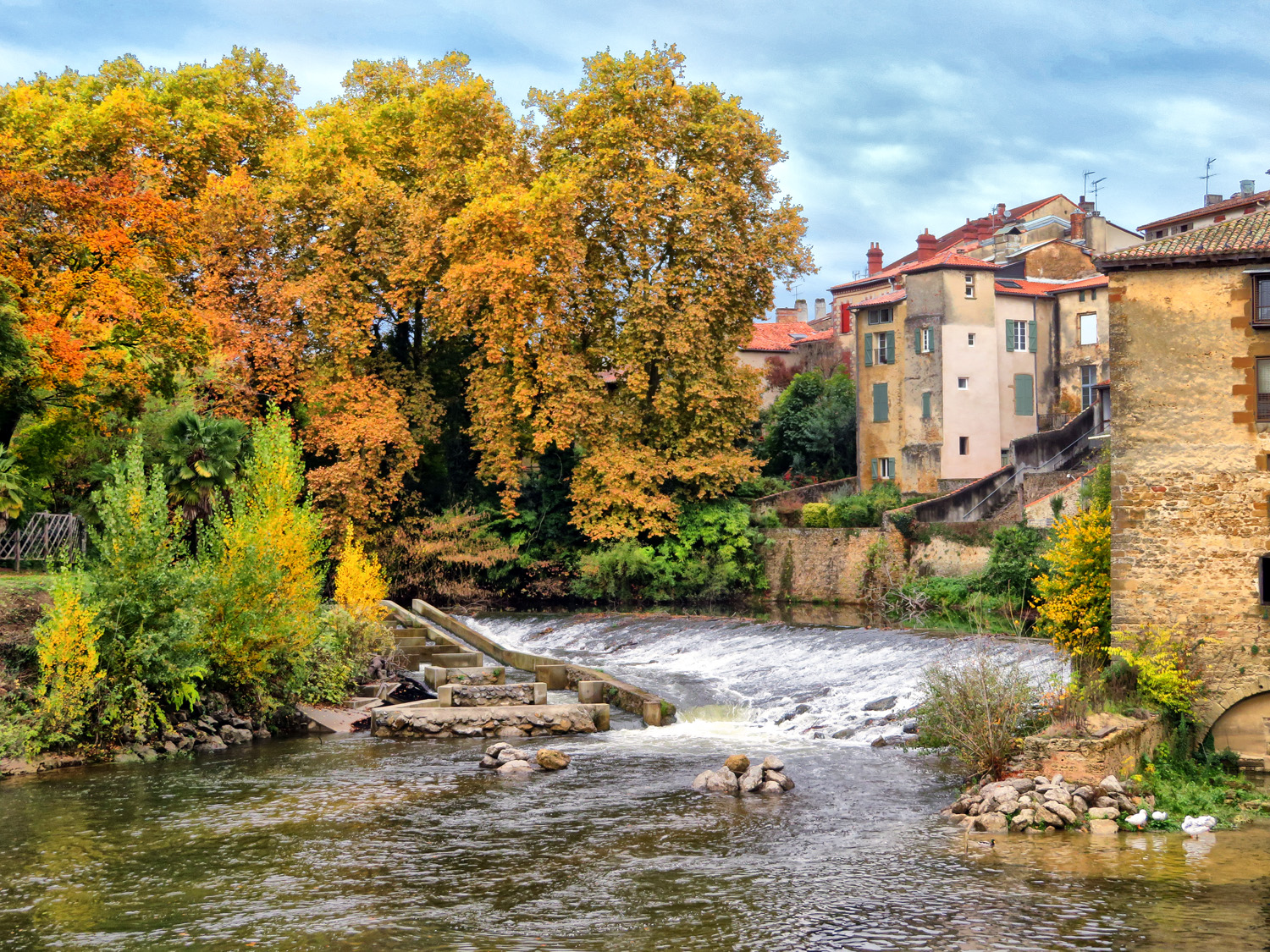
“Happiness is one of the only things we can give without having.”
A Basque Proverb
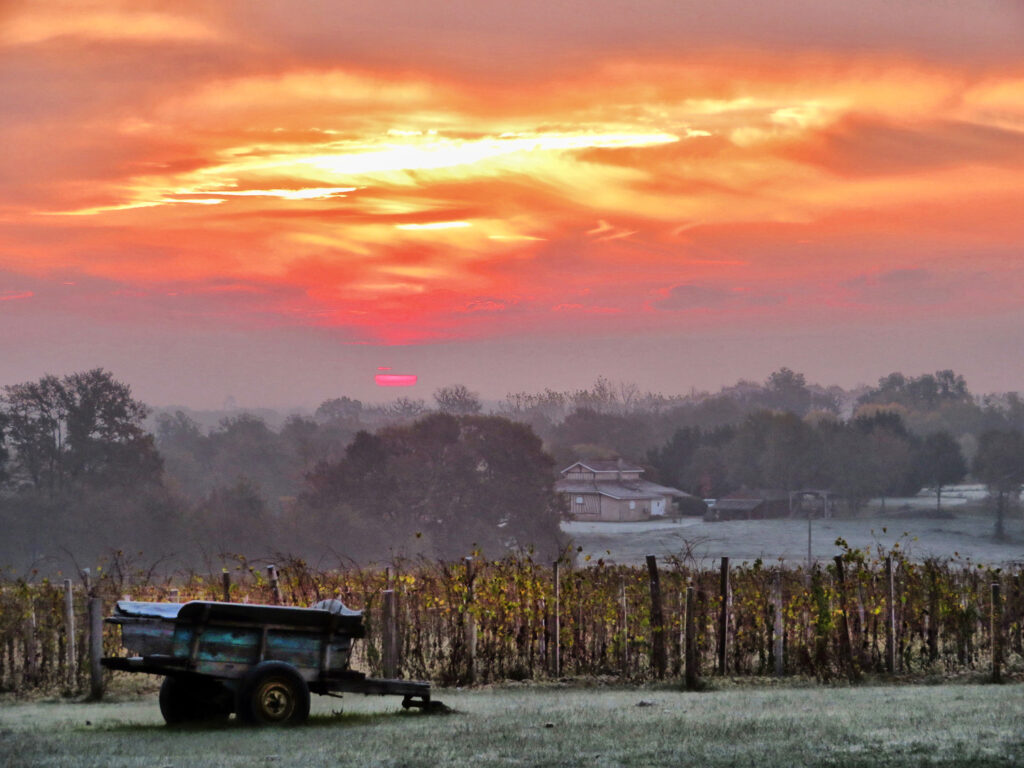 “My world, my Earth is a ruin. A planet spoiled by the human species. We multiplied and gobbled and fought until there was nothing left, and then we died. We controlled neither appetite nor violence; we did not adapt. We destroyed ourselves. But we destroyed the world first. There are no forests left on my Earth. The air is grey, the sky is grey, and it is always hot.” This is a quote from the prescient 1974 book by Ursula K. Le Guin, The Dispossessed.
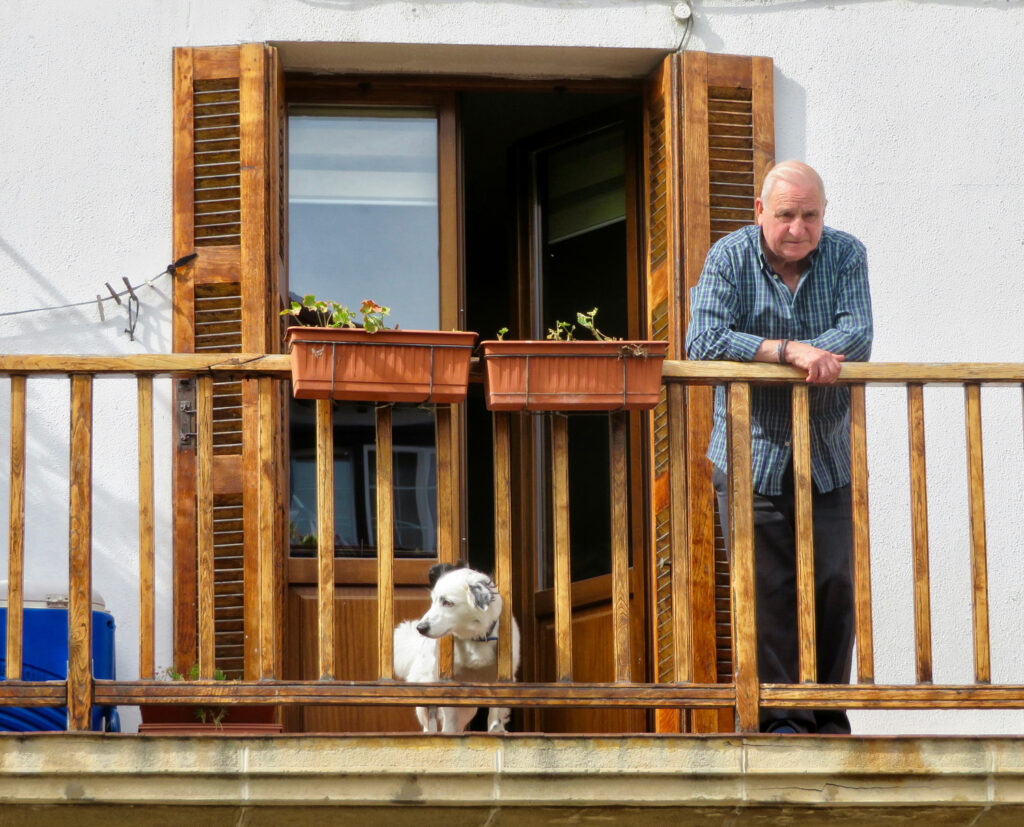 Embedded in the narrative are perceptive observations about the nature of politics. There are real threats from insidious bureaucracy and complacency during the good times, petty personal politics, the desire for power, and controversy about what might happen instead of what is happening. Despite LeGuin’s characters’ fears that greed will bring an end to their world, the society she describes is ultimately strengthened. People pull together in temporary adversity, build a sense of community and help each other through crises. Isn’t that what is happening now?
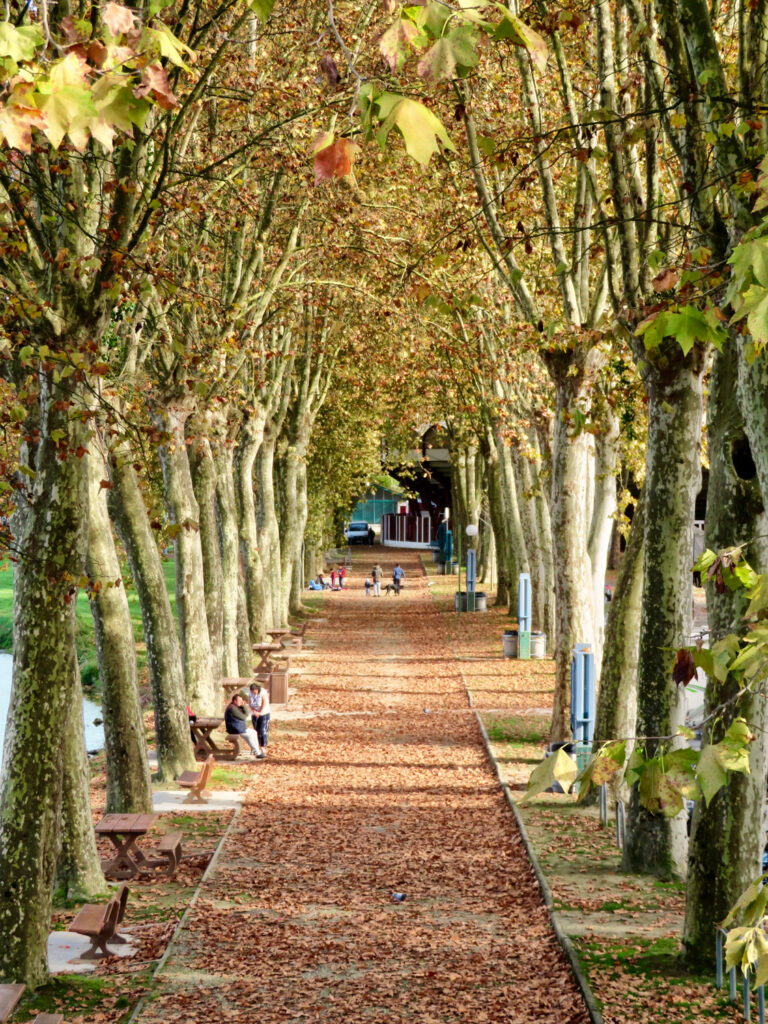 Almost forty-five years later I feel deeply ashamed that in this age of remarkable technology, one-third of the world’s population are malnourished, almost one billion people starving at this very moment, and an estimated twenty-five thousand, sixteen thousand of them children, are dying. Although there is enough food in the world to feed every single human being, poverty and the distribution of wealth continue to undermine this iniquity.There are over 65 million refugees seeking a home, only eleven countries free from conflict, racism and sexism are on the rise and climate change fueled by greed and ignorance is turning the Earth into a desert.
 Why is it only our suffering that brings us together? Because we are human. Because life always involves suffering. Because of our mistaken belief that we are separate from everyone else. Misery loves company only until we’ve had enough. By seeking truth and living ethically we can take the same path towards freeing ourselves and others from suffering as practicing buddhists do. We can wake up. This is enlightenment.
 The Dalai Lama often reminds us that happiness must take center stage in our lives. But what do we mean when we talk about happiness? The answer to this question arises differently for each of us. Is happiness a choice? If so, why haven’t more people chosen to be happy? Is happiness elusive, only recognized in the past tense? Or are we happiest when we forget ourselves in the present, when we lose track of time, when we close our eyes and are transported by a beautiful piece of music or share a deep conversation with a friend 5,000 miles away.
 If there is any hope for us it is from each other. No hands will save us if we do not offer our own hands first. Our every act can be an expression of awareness, of compassion, of kindness, a step toward truly being in our world together.
Return to the most human,
nothing less will nourish the torn spirit,
the bewildered heart,
the angry mind:
and from the ultimate duress,
pierced with the breath of anguish,
speak of love.
Return, return to the deep sources,
nothing less will teach the stiff hands a new way to serve,
to carve into our lives the forms of tenderness
and still that ancient necessary pain preserve.
Return to the most human,
nothing less will teach the angry spirit,
the bewildered heart;
the torn mind,
to accept the whole of its duress,
and pierced with anguish…
at last, act for love.
Unison Benediction by May Sarton